
Carrier Tape vs Tray vs Tube Packaging | SMT Component Packaging Comparison
Carrier tape, tray, and tube are the three most common electronic component packaging methods, each designed for different production environments.
In short: carrier tape supports fully automated, high-speed SMT lines, trays are preferred for high-value or fragile components handled in low volumes, and tubes are typically used for simple components in cost-sensitive or semi-manual processes.
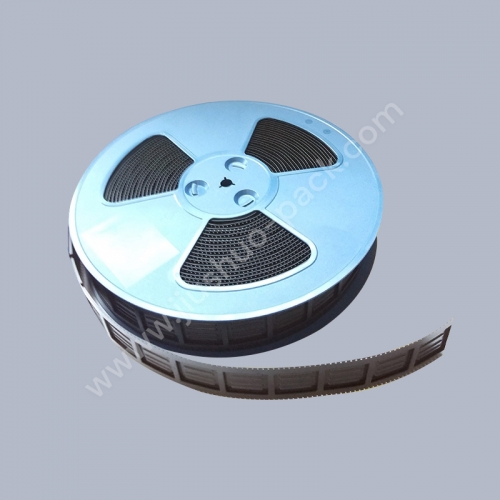
For modern SMT manufacturing that prioritizes speed, consistency, and scalability, carrier tape has become the industry standard due to its compatibility with pick-and-place automation and reel-based feeding systems. If your production relies on automated assembly, carrier tape is usually the most efficient long-term choice.
Learn more in the Carrier Tape Guide.
Basic Definitions of Each Packaging Method
Carrier Tape
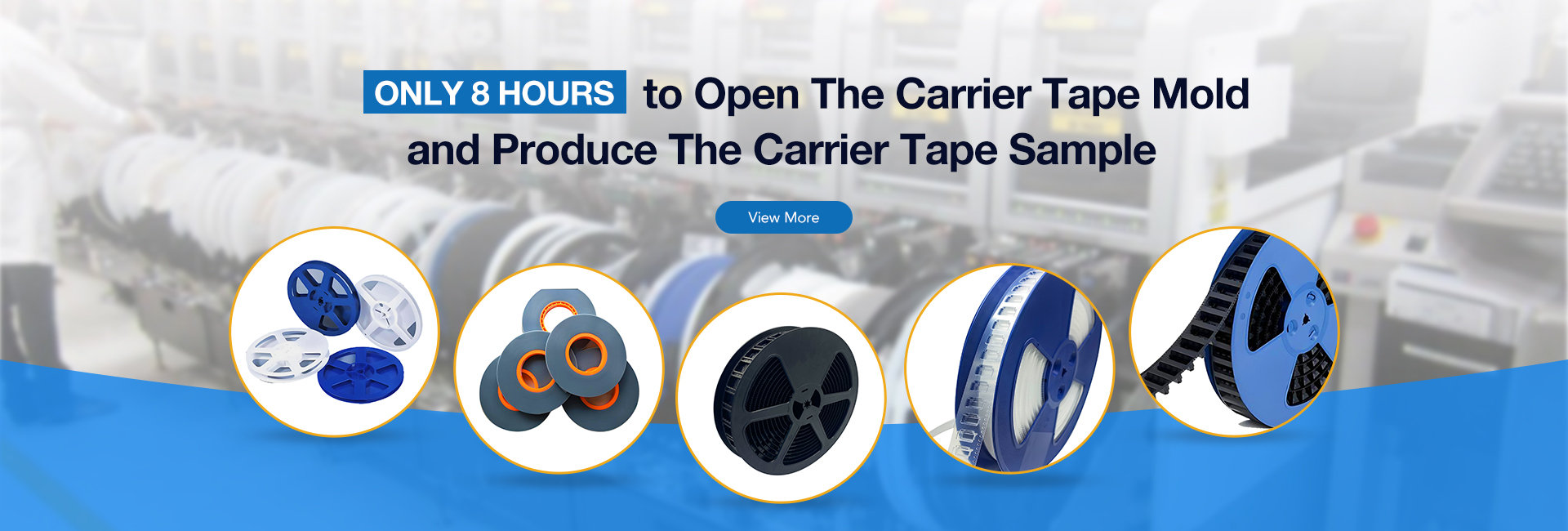
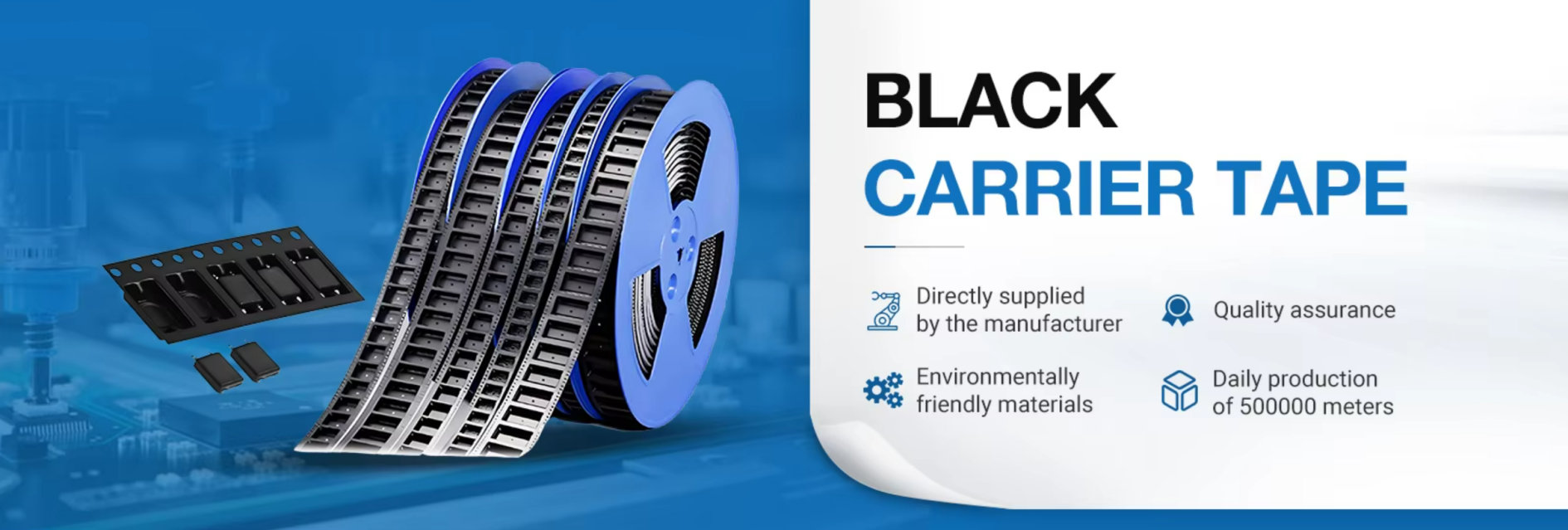
Carrier tape is a continuous strip packaging system with precisely formed pockets that hold electronic components at fixed pitch and orientation. It is designed to work with cover tape and reels, allowing components to be fed directly into automated pick-and-place machines in SMT production lines. Carrier tape is widely used for chips, ICs, and other small components that must be positioned consistently for high-speed assembly.
Related reference: What Is Carrier Tape?
Tray Packaging
Tray packaging uses rigid plastic trays with individual cavities to hold components in a fixed layout. Components are typically placed and removed manually or with semi-automated handling systems. Trays are commonly used for high-value, fragile, or non-standard components where protection and visibility are more important than feeding speed.
Tube Packaging
Tube packaging consists of long, narrow plastic tubes that store components in a linear arrangement. Components slide through the tube and are dispensed from one end. This method is often used for simple, uniform components and supports basic automation or manual loading, but it is not designed for high-speed SMT feeding.
Key Differences Between Carrier Tape, Tray and Tube
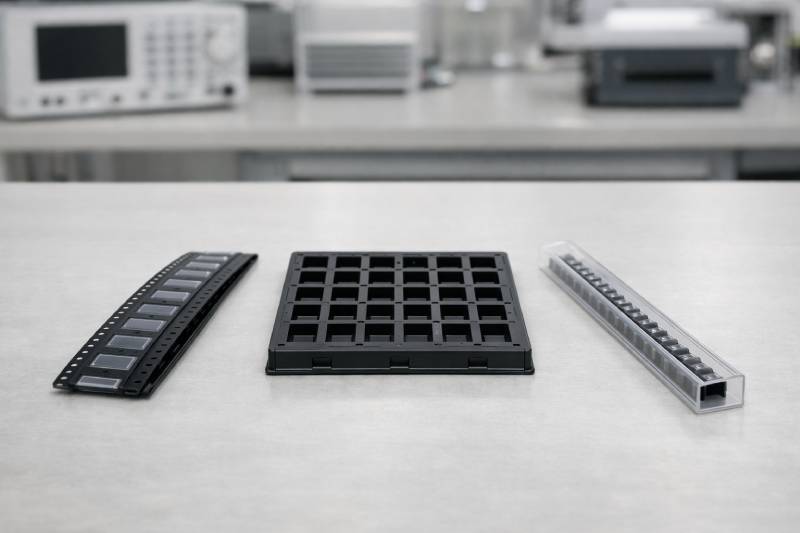
The main differences between carrier tape, tray, and tube packaging are not about specifications, but about how well each method supports production flow, handling, and scalability. The comparison below highlights these practical distinctions from a manufacturing perspective.
| Comparison Dimension | Carrier Tape | Tray Packaging | Tube Packaging |
|---|---|---|---|
| Automation compatibility | Fully compatible with automated SMT pick-and-place systems | Limited to semi-automation or manual handling | Basic automation or manual feeding |
| Component protection | Secure pocket positioning with controlled orientation | Strong physical protection for individual components | Moderate protection during linear storage |
| Handling efficiency | Continuous, high-speed feeding with minimal intervention | Slower handling, often batch-based | Simple handling, but less controlled feeding |
| Typical use cases | Mass production, standardized SMT components | High-value ICs, fragile or irregular components | Simple, uniform components |
| Scalability | Excellent for high-volume, repeatable production | Best for low to medium volumes | Suitable for low-cost, low-speed processes |
In essence, carrier tape is optimized for speed and consistency, tray packaging prioritizes component safety and visibility, and tube packaging focuses on simplicity and cost control.
Understanding these functional differences helps manufacturers align packaging choices with their actual production requirements rather than treating all methods as interchangeable.
When Is Carrier Tape the Best Choice?
Carrier tape is the preferred packaging method when automation, speed, and consistency are critical to production performance. It is specifically designed for SMT pick-and-place operations, where components must be presented in a precise orientation and spacing to maintain stable, high-speed assembly.
This method is especially suitable for high-volume manufacturing, where even small handling inefficiencies can lead to downtime or quality variation. By using reels and continuous feeding, carrier tape minimizes manual intervention and supports uninterrupted production runs. It also helps maintain consistent component positioning, which is essential for reducing placement errors and improving yield rates.
Carrier tape is commonly chosen when manufacturers focus on:
-
High-speed SMT lines with automated feeders
-
Repeatable, standardized component handling
-
Long-term efficiency and process stability at scale
Learn more about advanced formats and applications:
When Is Tray Packaging More Suitable?
Tray packaging is more suitable when component protection and controlled handling take priority over speed and automation. It is commonly used for high-value ICs, delicate packages, or components with irregular shapes that may not fit securely into tape pockets or tube channels.
This packaging method works well in low-to medium-volume production, prototyping, or situations where components are handled manually or with semi-automated equipment. Trays allow operators to visually inspect components easily and reduce the risk of mechanical stress during loading and unloading. Because each component sits in an individual cavity, trays also help prevent contact-related damage.
Tray packaging is typically chosen when manufacturers prioritize:
-
Protection of fragile or expensive components
-
Flexible handling in low-volume or mixed production runs
-
Manual or semi-automated assembly environments
Rather than competing with carrier tape, tray packaging serves a different operational need, focusing on safety, visibility, and handling control rather than throughput.
When Is Tube Packaging Used?
Tube packaging is typically used for simple, uniform components where production speed and automation requirements are relatively low. Components are stored in straight plastic tubes and dispensed sequentially, making this method suitable for manual assembly or basic semi-automated feeding systems.
This packaging format is often selected for cost-sensitive applications, especially when production volumes are limited or when components do not demand precise orientation control.Tube packaging is easy to handle, store, and transport, and it works well for components that are mechanically robust and tolerant of linear movement.
Tube packaging is commonly applied in scenarios such as:
-
Low-speed or non-SMT assembly processes
-
Budget-driven production environments
-
Standardized components with minimal handling complexity
While it does not support high-speed SMT automation, tube packaging remains a practical solution for straightforward manufacturing needs.
Cost, Efficiency and Automation Considerations
When comparing carrier tape, tray, and tube packaging, the key decision is often short-term cost versus long-term efficiency. Tray and tube packaging usually involve lower initial packaging costs and simpler setup, which can be attractive for small batches or early-stage production. However, these savings can diminish as production volume increases.
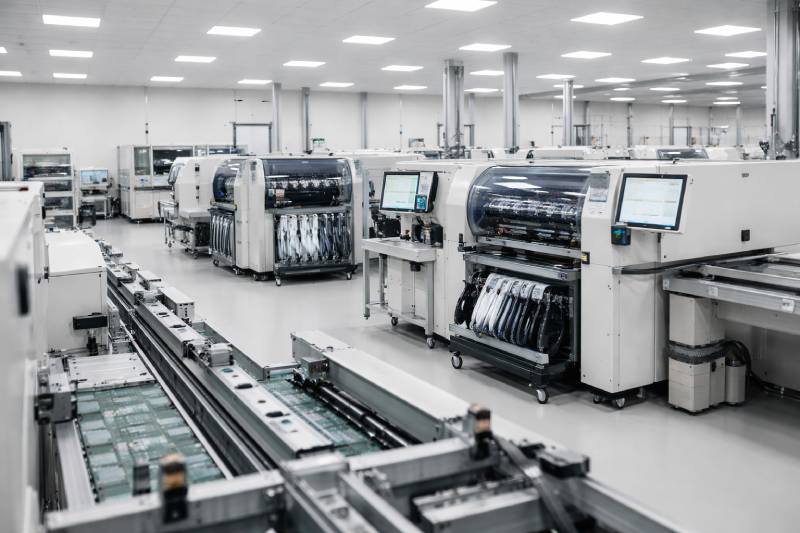
Carrier tape typically involves more upfront planning and tooling, but it delivers significant efficiency gains in automated environments. Continuous feeding, reduced manual handling, and stable component orientation help lower labor dependency and minimize production interruptions. Over time, this leads to more predictable output and better overall equipment utilization.
As manufacturers scale up and increase automation levels, packaging that integrates smoothly with production lines becomes a strategic advantage. This is why carrier tape is widely adopted in large-scale SMT manufacturing, where consistent throughput and operational efficiency outweigh initial setup considerations.
How to Choose Between Carrier Tape, Tray and Tube
Choosing the right packaging method is less about finding a “best” option and more about matching packaging to your production conditions. A practical decision framework helps avoid over- or under-engineering your packaging choice.
Start by evaluating component size and fragility. Small, standardized components with consistent geometry are well suited for carrier tape, while fragile or irregular parts may benefit from tray packaging. Tube packaging fits components that are robust and uniform.
Next, consider production volume and automation level. High-volume, automated SMT lines gain the most value from carrier tape due to stable feeding and repeatability. Low-volume or mixed production runs often align better with trays or tubes.
Finally, assess quality and consistency requirements. If placement accuracy, yield stability, and process control are critical, packaging that integrates seamlessly with automation becomes essential.
For manufacturers with specialized components or unique requirements, custom-designed carrier tape can bridge the gap between automation efficiency and component protection.
Summary
Carrier tape, tray, and tube packaging each serve a distinct role in electronic component handling. Carrier tape is optimized for automated, high-speed SMT production, tray packaging focuses on protecting high-value or fragile components in low-volume workflows, and tube packaging supports simple, cost-driven applications with limited automation.
As manufacturing continues to move toward higher levels of automation and scalability, packaging that integrates smoothly with pick-and-place systems becomes increasingly important. This trend explains why carrier tape is the dominant choice in modern SMT environments.
If you are evaluating packaging options for current or future production, the next step is to explore solutions that align with your automation goals and component requirements.



 Emial
Emial John Mr