
Carrier Tape Guide: Types, Materials, Specifications & Applications
Carrier tape plays a critical role in SMT and semiconductor manufacturing workflows, ensuring electronic components can be handled, transported, and fed into automated assembly lines in a stable and repeatable manner. From high-speed pick-and-place operations to downstream packaging processes, carrier tape supports consistent positioning and controlled component flow.
Selecting the right carrier tape is not simply a packaging decision. It directly influences placement accuracy, yield stability, ESD control, and line efficiency, particularly in high-volume or high-precision production environments. An unsuitable tape can result in misfeeds, component damage, or unplanned downtime.
This guide is designed as a technical selection entry point, not a product catalog. It provides a structured overview of carrier tape types, material options, key specification categories, and common industry applications, helping engineers and sourcing teams understand how different design choices impact real-world manufacturing use cases—before moving into detailed specifications or custom solutions.
What Is Carrier Tape?
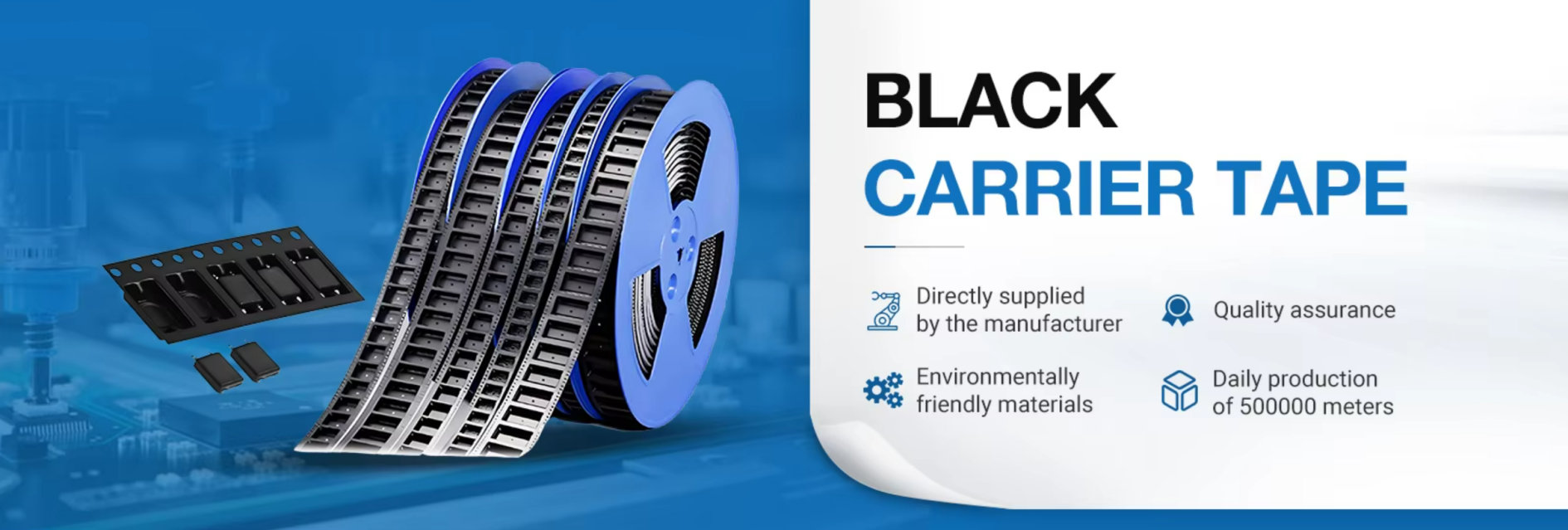
Carrier tape is a continuous packaging tape with precisely formed pockets, designed to hold electronic components in fixed positions for automated handling in SMT and semiconductor processes.
Definition: Carrier tape is a component packaging medium that secures and indexes electronic parts for automated pick-and-place, transport, and storage within tape-and-reel systems.
In practical applications, carrier tape functions as part of a tape-and-reel packaging system, where components are seated in pockets, sealed with cover tape, and wound onto a reel. This integrated structure ensures consistent orientation, controlled spacing, and reliable feeding into high-speed placement equipment.
Carrier tape is widely used across SMT assembly, semiconductor packaging, LED manufacturing, and connector production. Depending on the component type, factors such as pocket geometry and material properties play a key role in protecting parts and maintaining placement accuracy throughout the production flow.
Types of Carrier Tape
Carrier tape can be categorized into several main types based on how the pockets are formed and the intended application. Each type serves different component profiles, production volumes, and cost-performance requirements. This section provides a high-level overview to help narrow down the correct direction before reviewing detailed specifications.
Embossed Carrier Tape
Embossed carrier tape features thermoformed pockets that securely hold components in three dimensions. This is the most widely used type in SMT and semiconductor packaging, especially for ICs, LEDs, connectors, and precision electronic parts.
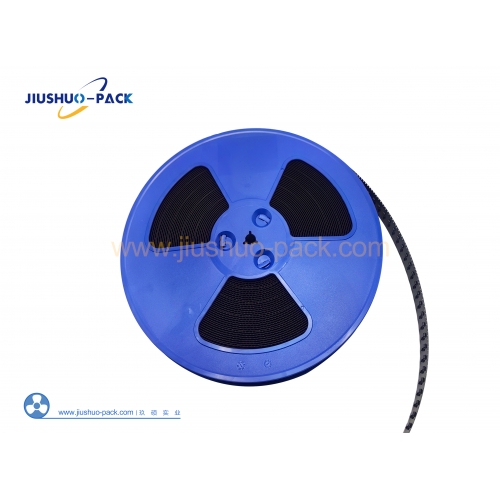
Embossed tape offers excellent pocket consistency, stable component positioning, and high compatibility with automated pick-and-place systems, making it suitable for medium- to high-volume production where accuracy and reliability are critical.
Punched / Flat Carrier Tape
Punched (or flat) carrier tape is produced by punching holes or cavities into flat material rather than forming deep pockets. It is typically used for thin, flat, or low-profile components where full pocket depth is not required.
This type is often chosen for simpler components or cost-sensitive applications, though it generally provides less mechanical protection compared to embossed tape.
Paper Carrier Tape
Paper carrier tape is commonly used for standard passive components, such as resistors and capacitors, in high-volume SMT assembly.
It is lightweight, cost-effective, and suitable for stable, non-fragile parts. However, paper tape has limitations in moisture resistance, pocket precision, and ESD performance compared to plastic alternatives, making it less suitable for high-precision or sensitive components.
Other Specialized Carrier Tapes
Beyond standard options, specialized carrier tapes are designed for semiconductor devices, wafer-level packaging, or custom-shaped components. These tapes may incorporate conductive or anti-static materials, unique pocket geometries, or application-specific features to meet strict handling and protection requirements in advanced manufacturing environments.
Each carrier tape type represents a balance between protection level, precision, and cost. The optimal choice depends on the component’s physical characteristics, handling sensitivity, and production conditions—topics explored further in the following sections.
Carrier Tape Materials
The material used in a carrier tape plays a major role in component protection, dimensional stability, and production reliability. Different materials offer different balances of formability, strength, ESD performance, and cost, making material selection a key engineering decision rather than a cosmetic one.
Plastic carrier tapes—such as PC (polycarbonate), PS (polystyrene), and PET (polyethylene terephthalate)—are widely used in SMT and semiconductor applications. PC offers excellent rigidity and pocket precision, making it suitable for high-accuracy components. PS is easier to form and more cost-efficient, often selected for standard SMT parts. PET provides good dimensional stability and moisture resistance, especially in environments with tighter storage or transport requirements.
Paper carrier tape remains a common option for passive components, where extreme precision or ESD control is not critical. While cost-effective, paper materials have limitations in durability, environmental resistance, and pocket consistency compared to plastic alternatives.
For sensitive electronic parts, ESD-safe or conductive materials are often required to prevent electrostatic damage during handling and placement. These materials add an extra layer of protection but can increase forming complexity and cost.
In practice, material choice is a trade-off between cost, forming difficulty, precision, and protection level. A clear understanding of these differences helps avoid over-specifying—or under-protecting—components.
Carrier Tape Specifications & Standards
Carrier tape specifications define how accurately components are positioned, transported, and presented to automated equipment. Rather than focusing on calculations or tolerances, this section highlights the key specification dimensions that determine compatibility with SMT and semiconductor assembly lines.
At a high level, carrier tape is defined by its tape width, which must match both the component size and the feeder system. Equally important is the pitch, referring to the distance between pockets, as it controls indexing accuracy during pick-and-place operations. Incorrect pitch selection can lead to misalignment, skipped picks, or machine errors.
The pocket size and geometry determine how securely a component sits within the tape. Proper pocket design minimizes movement during transport while allowing smooth component release during placement. Another critical feature is the D1 sprocket hole, which ensures precise tape advancement and synchronization with automated feeders.
Most carrier tapes used in SMT packaging follow EIA-481 standards, which provide a common reference for dimensions, tolerances, and feeding compatibility across equipment manufacturers. Adhering to these standards helps ensure interchangeability and reduces setup risk in multi-vendor production environments.
These specifications work together as a system. Understanding their roles at a conceptual level is essential before reviewing detailed drawings or engineering calculations.
Carrier Tape and Reel Packaging
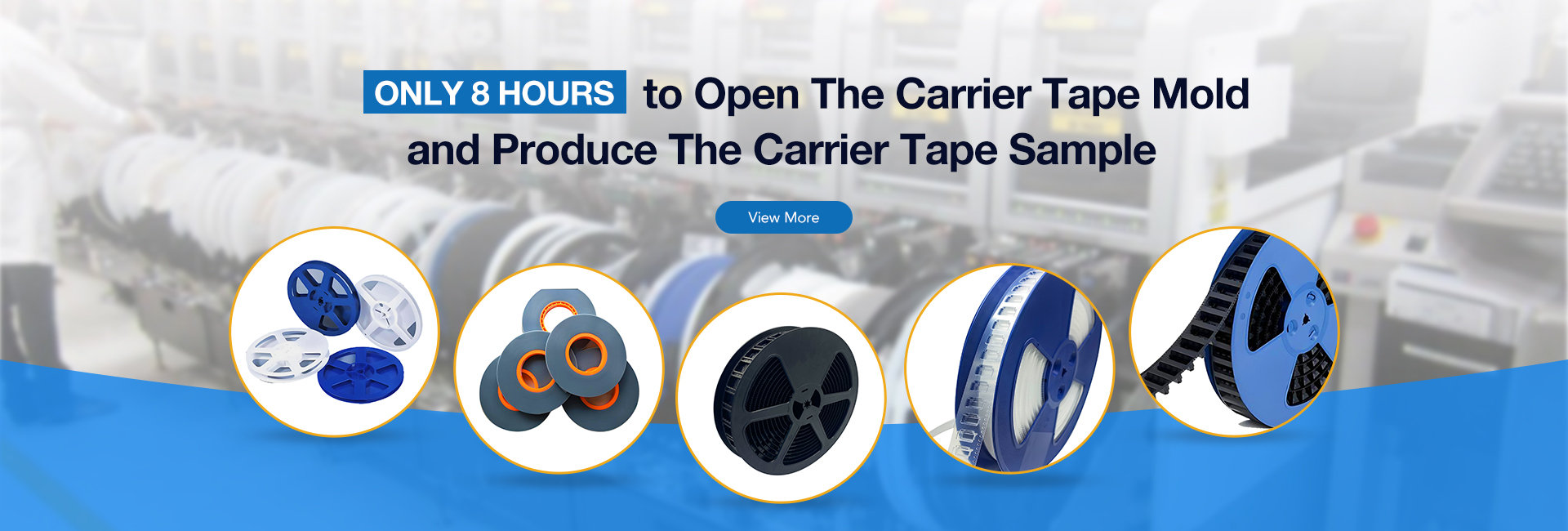
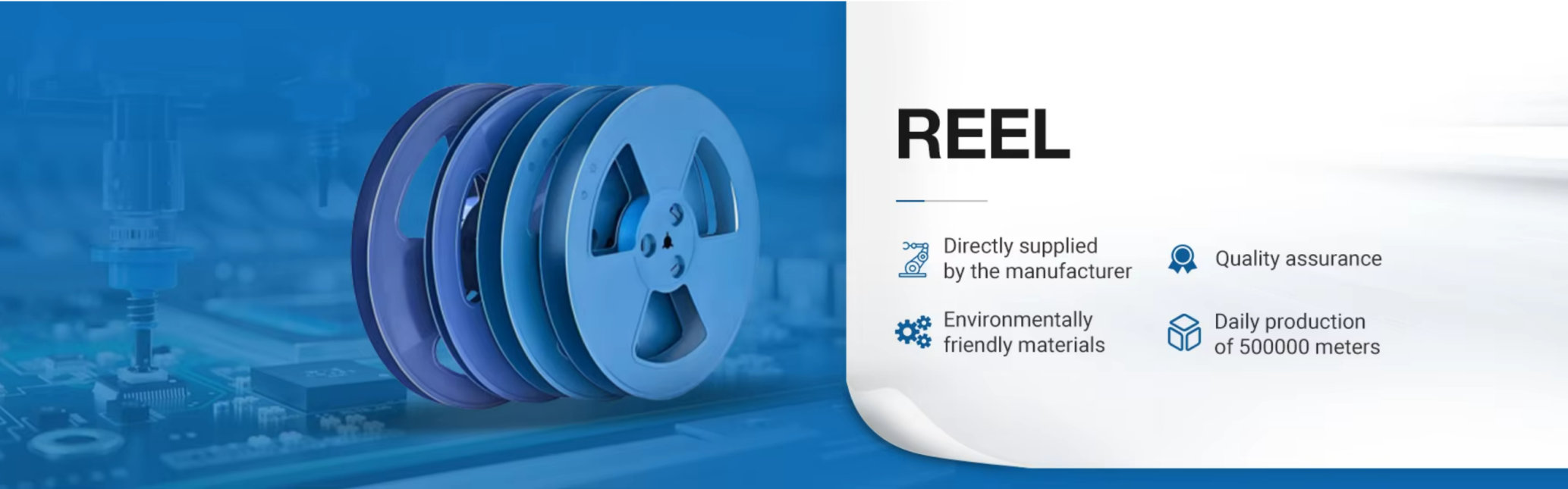
Carrier tape is most effective when used as part of a complete tape-and-reel packaging system, which includes carrier tape, cover tape, and reel working together as a single unit. Each element plays a specific role in ensuring components are protected, indexed correctly, and delivered smoothly into automated production lines.
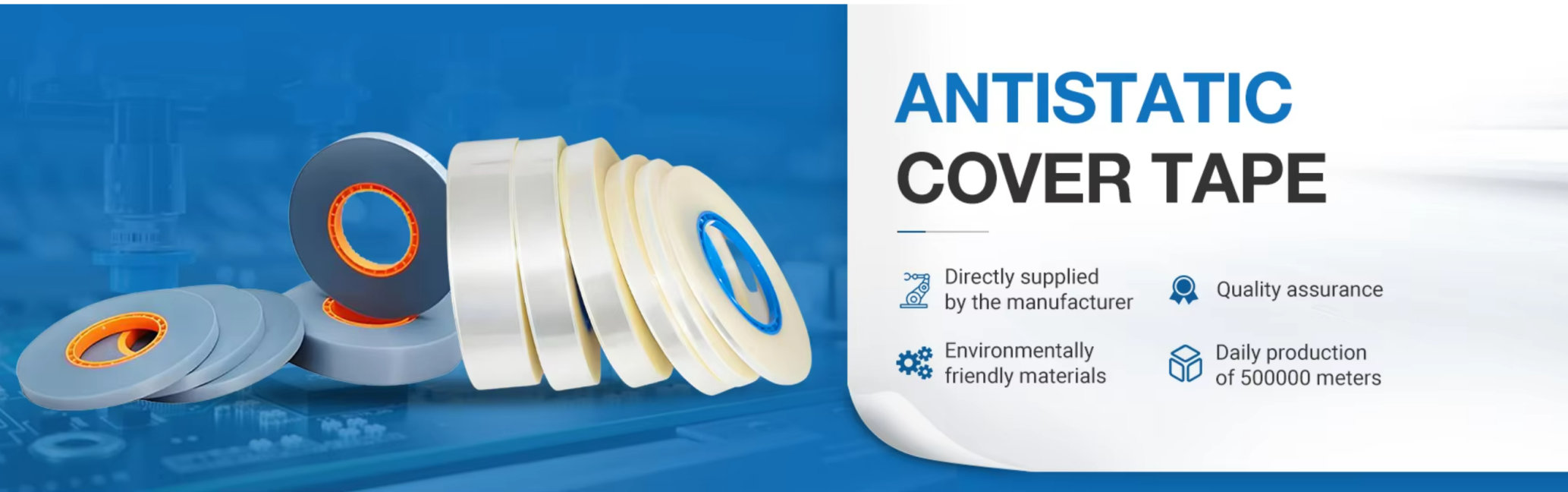
The carrier tape holds and positions the components, while the cover tape seals them in place, preventing movement, contamination, or loss during transport and handling. The reel maintains consistent tension and enables continuous feeding into pick-and-place machines. Any mismatch between these elements can result in feeding errors, poor peel performance, or component damage.
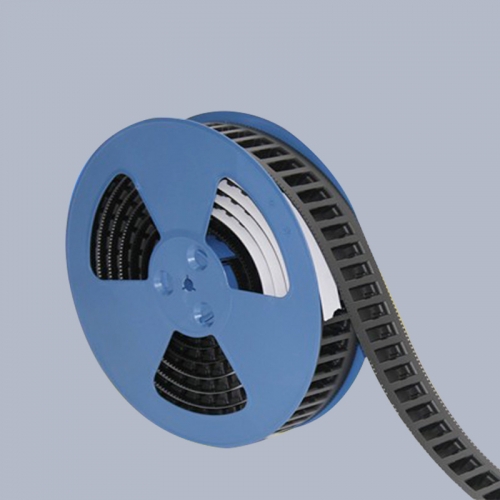
Compatibility with pick-and-place equipment is a key consideration. Proper alignment between tape dimensions, sprocket holes, and feeder mechanisms ensures stable indexing and high placement accuracy, especially in high-speed SMT environments.
Rather than treating each part separately, manufacturers and assembly lines benefit from evaluating tape-and-reel packaging as an integrated system. A well-matched combination improves production stability, reduces downtime, and supports consistent quality from packaging through final assembly.
Carrier Tape Applications
Carrier tape is used across a wide range of electronic manufacturing sectors, with design priorities varying by industry, component type, and production environment. Understanding these application differences helps narrow material and structure choices before moving into detailed engineering.
Semiconductor & IC
In semiconductor and IC packaging, carrier tape must support high precision, tight tolerances, and reliable ESD protection. Components are often small, lightweight, and sensitive to mechanical stress or static discharge. Pocket accuracy and material stability are critical to ensure consistent orientation and smooth feeding in high-speed, automated assembly lines.
LED Components
LED components vary widely in size and shape, but often require stable pocket geometry and surface protection to prevent lens damage or cosmetic defects. Carrier tape for LEDs must balance formability and rigidity while maintaining consistent spacing for automated placement.
Automotive Connectors
Automotive connectors and terminals typically involve larger, heavier components with strict reliability requirements. Carrier tape used in this sector must provide strong mechanical support and consistent feeding under higher stress conditions, often across long production runs.
Other SMT Components
Beyond ICs and connectors, carrier tape is widely applied to resistors, capacitors, sensors, and other SMT components. These applications prioritize stable feeding, cost efficiency, and compatibility with standard pick-and-place systems, especially in high-volume manufacturing environments.
Custom Carrier Tape Solutions
Standard carrier tape configurations work well for many components, but they are not always sufficient—especially when dealing with non-standard shapes, tight tolerances, or demanding production conditions. In these cases, custom carrier tape becomes a practical necessity rather than an upgrade.
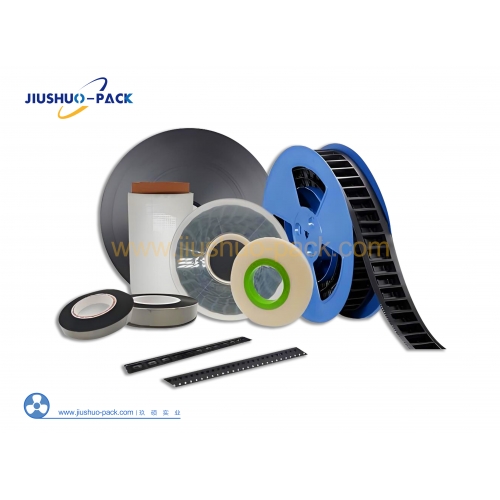
Custom designs typically address challenges such as poor component stability, inconsistent feeding, orientation control, or damage during transport and placement. By adjusting pocket geometry, material selection, and structural details, custom carrier tape can significantly improve handling reliability and placement accuracy.
A typical customization process begins with component analysis, followed by pocket design, material evaluation, and prototype sampling. Functional testing ensures compatibility with cover tape, reels, and pick-and-place equipment before mass production. This structured approach reduces risk and shortens ramp-up time for new or specialized components.
For manufacturers managing multiple component types or evolving product designs, custom carrier tape offers greater flexibility and long-term process stability.
How to Choose the Right Carrier Tape
Selecting the right carrier tape starts with understanding application requirements, not with specifications alone. A clear evaluation framework helps narrow options efficiently before moving into detailed design or testing.
First, consider component size, shape, and weight. These factors determine pocket geometry and the level of mechanical support required during transport and placement. Heavier or irregular components typically demand deeper, more rigid pockets.
Next, evaluate placement accuracy and feeding stability. High-speed pick-and-place lines and fine-pitch components require tighter control over pocket consistency, pitch, and sprocket alignment to avoid misfeeds or placement errors.
Material compatibility is another key factor. Sensitive electronic parts may require conductive or ESD-safe materials, while environmental conditions such as humidity or long storage times can influence material choice.
Finally, account for production volume and process stability. High-volume manufacturing benefits from materials and designs that offer consistent performance over long runs, while lower volumes may prioritize flexibility and cost control.
This high-level framework helps define the right direction before reviewing detailed drawings or standards.
Carrier Tape Manufacturer Capabilities
Working with an experienced carrier tape manufacturer goes beyond sourcing packaging—it provides access to engineering support, process knowledge, and production consistency. A capable manufacturer understands how materials, forming methods, and specifications interact within real SMT and semiconductor environments.
Strong manufacturing capabilities typically include in-house tooling, precise forming control, and the ability to support both standard and custom carrier tape requirements. This helps ensure stable quality across batches and reduces risk when scaling from sampling to mass production.
Just as importantly, a knowledgeable manufacturer can assist during early-stage selection by identifying potential feeding, tolerance, or compatibility issues before they affect the production line. This collaborative approach supports smoother implementation and long-term reliability.
For buyers evaluating available options, reviewing a manufacturer’s product range and technical scope is often the most efficient starting point.



 Emial
Emial John Mr