
Cover Tape Sealing for Paper Carrier Tape: Process, Peel Force & Quality Control Guide
Cover tape sealing is one of the most important steps in paper carrier tape packaging. Although paper carrier tape is mainly used to hold small electronic components in punched pockets, the packaging system only works properly when the cover tape is sealed with the right strength, alignment, and consistency. If the cover tape is too loose, components may fall out during winding, shipping, or feeding. If the seal is too strong, the cover tape may tear, the paper tape may be damaged, or the SMT feeder may not run smoothly.
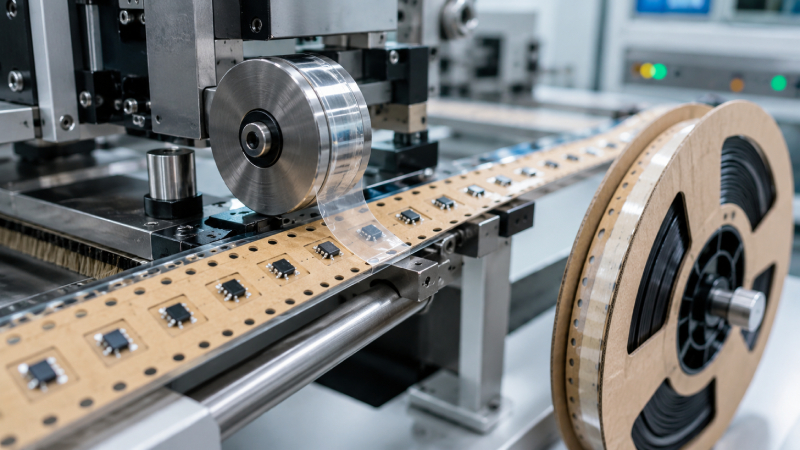
For manufacturers, engineers, and buyers, cover tape sealing is not just a packaging detail. It directly affects component protection, reel quality, pick-and-place stability, and production efficiency. This guide explains how cover tape sealing works for paper carrier tape, what affects peel force, which defects to watch for, and how to choose a reliable supplier for stable tape and reel packaging.
What Is Cover Tape Sealing for Paper Carrier Tape?
Cover tape sealing is the process of bonding a thin cover tape onto the surface of paper carrier tape after components are loaded into the pockets. The cover tape closes the pocket opening and keeps each component in position during handling, transportation, storage, and automated SMT assembly.
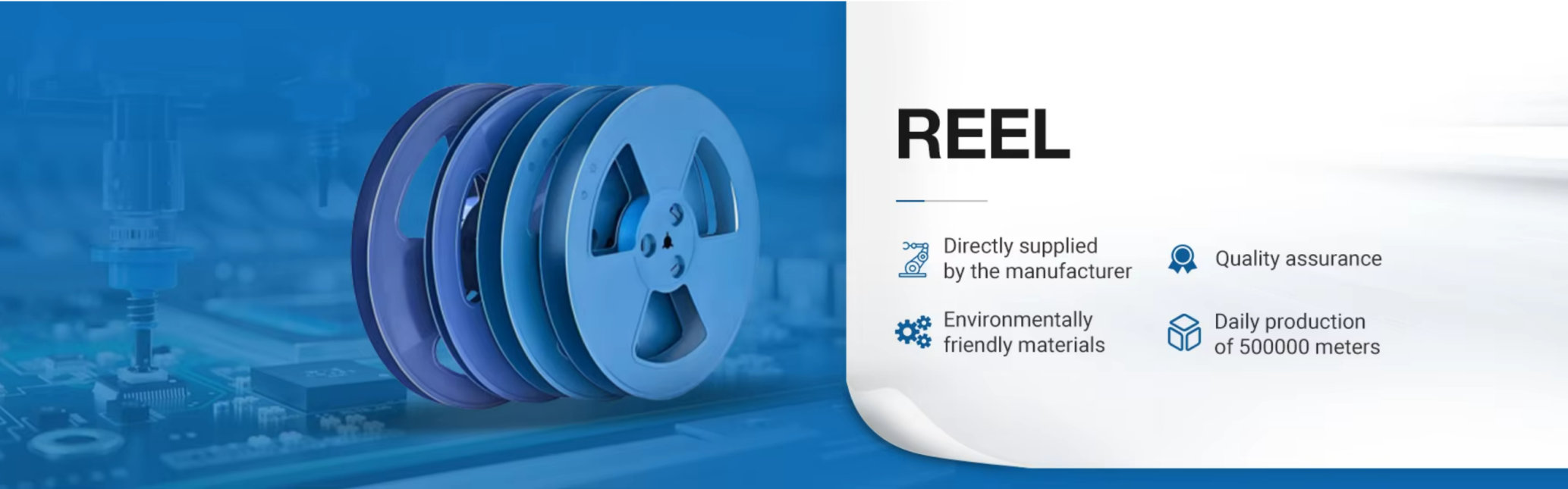
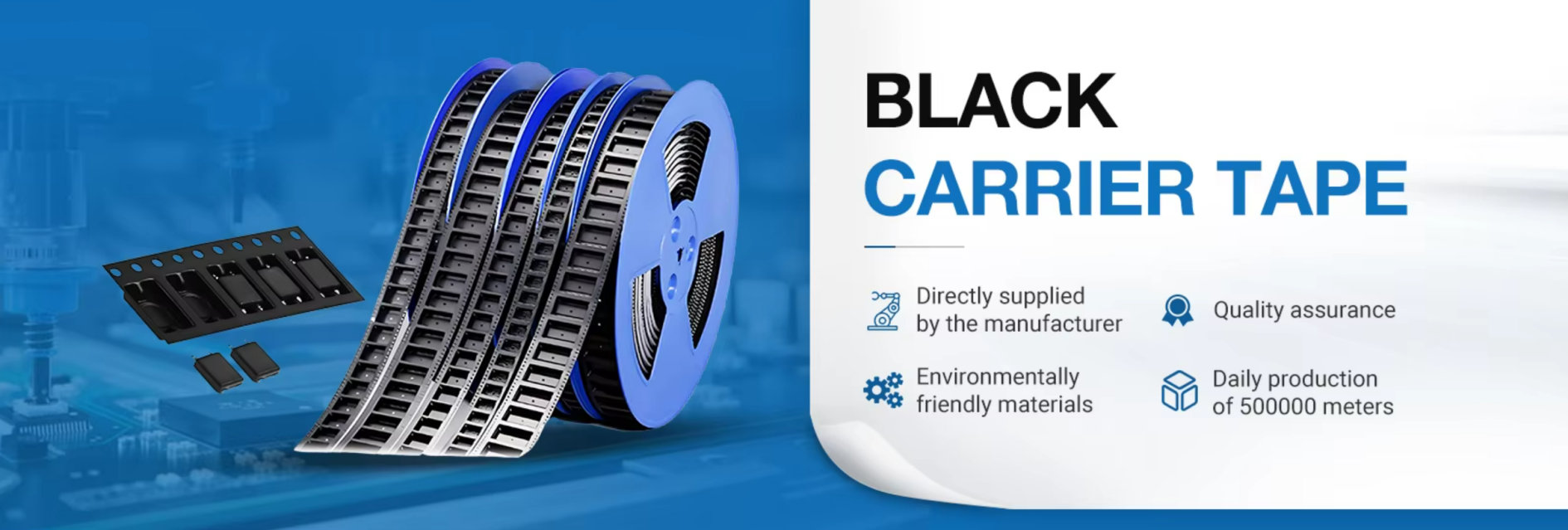
In tape and reel packaging, the carrier tape, cover tape, and reel must work together. The paper carrier tape provides pocket structure and component positioning. The cover tape provides retention and protection. The reel supports smooth winding, storage, and feeding into placement equipment.
A good sealing result should meet two basic requirements. First, the cover tape must hold the components securely inside the pockets. Second, it must peel away smoothly during SMT feeding without sudden resistance, tearing, or vibration. This balance is the reason peel force control is so important.
For small passive components such as chip resistors, MLCC capacitors, inductors, diodes, and other miniature parts, paper carrier tape is often a cost-effective and efficient packaging option. However, its performance depends heavily on sealing quality.
Why Paper Carrier Tape Requires Careful Sealing Control
Paper carrier tape is different from embossed plastic carrier tape. It is made from paper-based material and the component pockets are usually punched rather than thermoformed. This gives paper carrier tape advantages in cost, efficiency, and suitability for many small components, but it also means the material surface must be controlled carefully.
The paper surface may be affected by paper density, smoothness, thickness, moisture, dust, and punched pocket burrs. These factors can influence how well the cover tape adhesive bonds to the carrier tape. Even small differences in paper quality or surface condition can lead to unstable sealing results.
Another important factor is moisture. Paper material can absorb humidity from the environment, and this may influence sealing performance, dimensional stability, and peel behavior. If the tape is stored improperly before sealing, the cover tape may not bond consistently.
For buyers, this means paper carrier tape quality cannot be judged only by pocket size or tape width. A tape may look dimensionally correct but still cause production problems if the cover tape sealing is unstable. Reliable paper carrier tape packaging requires material control, correct cover tape matching, proper sealing parameters, and final inspection.
Main Cover Tape Sealing Methods
The two common sealing methods used in tape and reel packaging are heat sealing and pressure-sensitive sealing. The best choice depends on the component, carrier tape material, required peel force, storage conditions, and customer packaging standards.
Heat Sealing
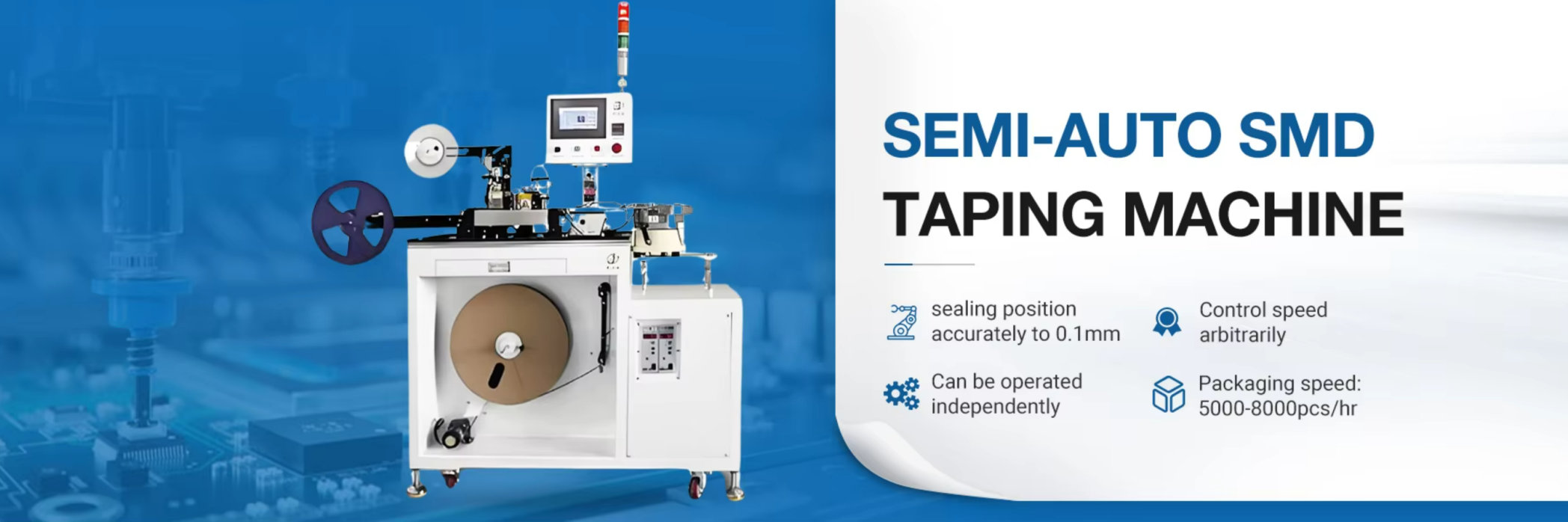
Heat sealing uses controlled temperature, pressure, and contact time to activate the adhesive layer of the cover tape. During the process, a sealing wheel or sealing head applies heat and pressure along the sealing tracks on the carrier tape. Once properly bonded, the cover tape forms a stable seal over the component pockets.
Heat sealing is widely used because it can provide consistent bonding strength when the process is well controlled. However, the parameters must be adjusted carefully. Too little heat may result in weak sealing. Too much heat may cause over-sealing, adhesive transfer, paper deformation, or difficult peeling.
Pressure-Sensitive Sealing
Pressure-sensitive cover tape relies mainly on adhesive pressure rather than heat activation. It can be useful in certain applications where lower thermal impact or simpler processing is required. However, it must still be matched properly with the paper carrier tape surface.
If the adhesive does not match the paper material, pressure-sensitive sealing may lead to edge lifting, uneven peel force, or weak retention. For this reason, suppliers should validate the cover tape and paper carrier tape combination before mass production.
Key Parameters That Affect Cover Tape Sealing Quality
Cover tape sealing quality is controlled by several process and material factors. Understanding these factors helps buyers and engineers identify the root cause of sealing problems more quickly.
Sealing Temperature
Temperature is one of the most important parameters for heat-activated cover tape. If the temperature is too low, the adhesive may not bond strongly enough to the paper tape. This can result in loose sealing, cover tape lifting, or component loss.
If the temperature is too high, the seal may become too strong. This can cause difficult peeling, cover tape tearing, paper fiber damage, adhesive transfer, or feeder instability. A stable sealing window should be confirmed before mass production.
Sealing Pressure
Pressure helps the cover tape adhesive contact the paper carrier tape surface. Insufficient pressure may create incomplete sealing or weak bonding. Excessive pressure may compress or damage the paper tape, especially near the sealing track.
The sealing pressure should be strong enough to create continuous bonding but not so strong that it deforms the carrier tape or changes the peeling behavior.
Sealing Speed
Sealing speed affects dwell time, which is the amount of time heat and pressure are applied to the tape. If production speed increases without adjusting temperature or pressure, the cover tape may not receive enough energy to bond properly.
A stable production process should keep temperature, pressure, and speed in balance. This is especially important when switching between different tape widths, cover tape types, or paper materials.
Cover Tape Width and Alignment
Cover tape width must match the paper carrier tape and sealing track. If the cover tape is too narrow, the seal may not fully cover the required area. If it is too wide or poorly aligned, it may cause uneven sealing, edge lifting, or feeding problems.
Good alignment ensures that the cover tape seals evenly on both sides of the pockets and peels consistently during SMT feeding.
Paper Surface Quality
Paper dust, loose fibers, burrs around punched pockets, uneven coating, and surface contamination can all affect sealing strength. A clean, smooth, and consistent paper surface helps the cover tape bond more predictably.
For high-volume production, suppliers should control punching quality and remove excess dust or debris before sealing.
Storage Conditions
Temperature and humidity during storage can affect both paper carrier tape and cover tape. Poor storage may lead to moisture absorption, adhesive aging, or unstable peel force. Finished reels should be packed and stored under suitable conditions to maintain sealing performance before use.
Peel Force: The Most Important Quality Indicator
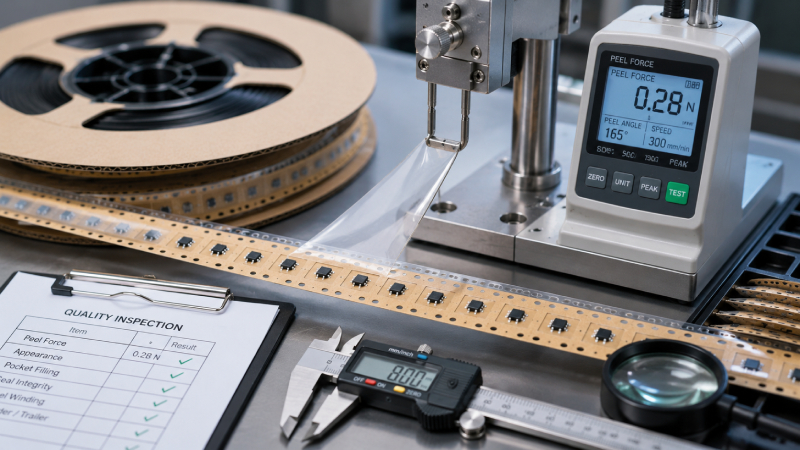
Peel force is the force required to remove the cover tape from the carrier tape. In paper carrier tape packaging, peel force must be controlled within a suitable range. It should be strong enough to keep components inside the pockets, but low and stable enough to allow smooth automatic peeling during SMT assembly.
If peel force is too low, the cover tape may open during winding, shipping, or feeder movement. Components may shift, rotate, or fall out of the pockets. This can lead to missing components, wrong orientation, or customer complaints.
If peel force is too high, the feeder may struggle to peel the cover tape smoothly. The cover tape may tear, the paper carrier tape may delaminate, or the machine may generate alarms. High peel force can also create vibration during feeding, increasing the risk of pick-up failure.
The most serious issue is unstable peel force. Even if the average peel force looks acceptable, large variation along the reel can cause sudden feeding problems. A reliable supplier should control both the target peel force and the consistency of peel force across the full reel.
Peel force testing is usually performed under defined conditions, including peel angle, peeling speed, and tape width. Final requirements should always be confirmed based on the customer’s component type, assembly process, and packaging specification.
Common Cover Tape Sealing Defects
Cover tape sealing defects can happen for many reasons. The most common problems include weak sealing, over-sealing, uneven peel force, edge lifting, adhesive transfer, wrinkled cover tape, and paper fiber tearing.
Weak sealing is usually caused by low temperature, low pressure, poor cover tape compatibility, dust, or moisture. It can result in cover tape lifting and component loss.
Over-sealing is often caused by excessive heat or pressure. It may make the cover tape difficult to peel and can damage the paper carrier tape surface.
Uneven peel force may come from unstable sealing equipment, inconsistent paper surface quality, poor tension control, or incorrect sealing parameters. This can cause feeder vibration and unstable SMT production.
Edge lifting is commonly related to cover tape width, alignment, or insufficient bonding near the sealing track. If not controlled, it may expose components and increase the risk of contamination or loss.
Adhesive transfer can occur when the sealing temperature is too high or when the cover tape adhesive is not suitable for the paper material. This can contaminate the tape path or affect feeder performance.
Wrinkled cover tape is usually related to poor tension control, incorrect alignment, or unstable winding. It may affect reel appearance and feeding smoothness.
Paper fiber tearing may happen when the seal is too strong or the paper surface is not strong enough. This can create dust and lead to quality issues during assembly.
Quality Control Checklist for Paper Carrier Tape Sealing
A strong quality control process should cover incoming materials, in-process sealing, and final inspection.
Before sealing, the supplier should check paper carrier tape width, thickness, pocket cleanliness, punched hole quality, cover tape width, adhesive condition, and storage environment. The paper tape should be clean and free from excessive burrs or loose fibers.
During sealing, operators should monitor temperature, pressure, speed, tape alignment, cover tape tension, and reel winding tension. The sealing line should be continuous and visually consistent. Any sudden changes in cover tape position or reel tension should be corrected immediately.
After sealing, final inspection should include visual checking, peel force testing, component retention checking, reel appearance inspection, and leader and trailer confirmation. For sensitive or high-volume components, feeding simulation may also be useful before shipment.
For buyers, this checklist is important when evaluating suppliers. A reliable supplier should not only produce paper carrier tape but also understand cover tape matching, sealing validation, and peel force stability.
How to Choose the Right Cover Tape for Paper Carrier Tape
Choosing the right cover tape depends on several factors. These include component size, component weight, tape width, paper surface condition, required peel force, ESD requirements, storage environment, and transportation conditions.
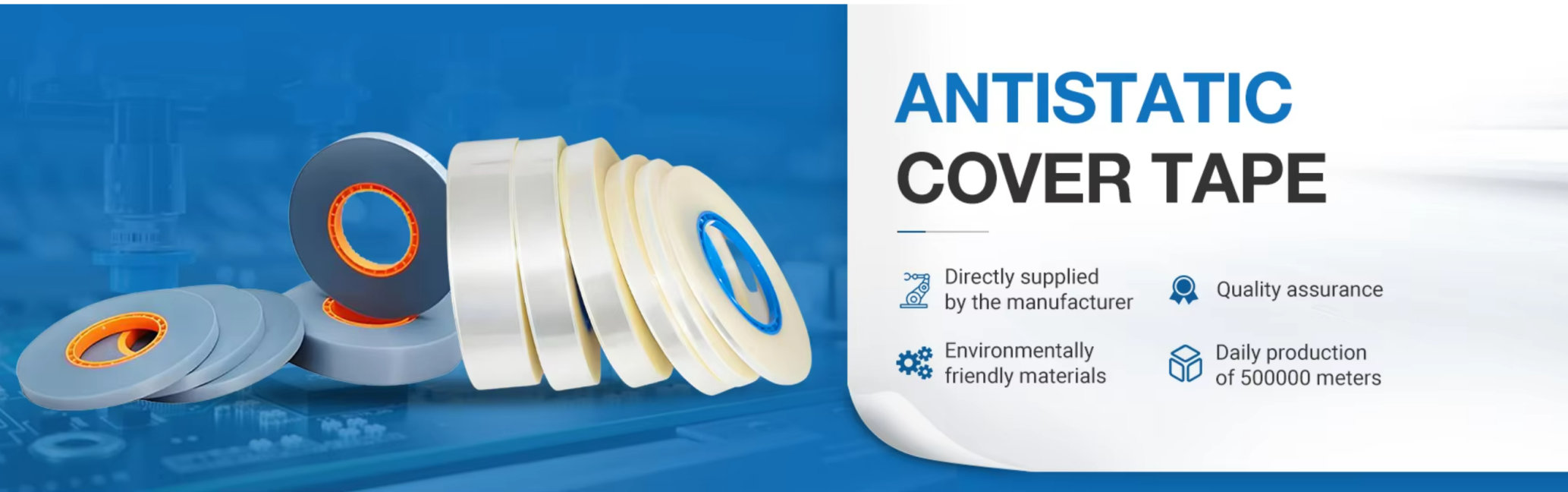
Transparent cover tape is commonly used when visual inspection is needed. It allows operators or inspection systems to check whether components are properly loaded in the pockets. Other cover tape types may be selected based on material compatibility, sealing requirements, or customer specifications.
Heat-activated cover tape is often selected when controlled sealing strength and repeatable peel force are required. Pressure-sensitive cover tape may be suitable for some applications, but it must be tested carefully with the specific paper carrier tape material.
The safest approach is to validate the complete packaging system before mass production. This means testing the component, paper carrier tape, cover tape, reel, sealing process, and feeder performance together.
What Buyers Should Ask Before Ordering
Before ordering paper carrier tape packaging, buyers should ask suppliers several practical questions.
Can the supplier recommend a compatible cover tape? Can they control the required peel force range? Do they perform peel force testing before shipment? Can they provide samples for sealing validation? Can they support custom tape width, hole design, and pocket structure? How do they control paper dust, burrs, moisture, and reel winding quality?
These questions help identify whether the supplier understands the full tape and reel process or only provides basic punched paper tape. For SMT packaging, the final goal is not just to make a tape. The goal is to make a packaging solution that protects components and runs smoothly in automated assembly.
If your components require stable paper carrier tape sealing, working with an experienced supplier can reduce trial-and-error, improve packaging reliability, and lower the risk of feeder problems during production.
Conclusion
Cover tape sealing plays a critical role in paper carrier tape packaging. It determines whether components stay secure during storage and transport, and whether the tape can peel smoothly during SMT feeding. Good sealing requires the right paper carrier tape material, suitable cover tape, controlled temperature, pressure, speed, alignment, and consistent quality inspection.
For buyers, stable sealing means fewer component losses, fewer feeder alarms, better production efficiency, and more reliable downstream assembly. Before mass production, it is important to confirm cover tape compatibility, peel force range, storage conditions, and inspection standards.
If you need paper carrier tape with reliable cover tape sealing performance, Jiushuo can help evaluate your component size, tape width, cover tape type, and packaging requirements before production.



 Emial
Emial John Mr