
Paper Carrier Tape Manufacturing Process: From Raw Material to SMT-Ready Packaging
Paper carrier tape may look like a simple packaging material, but its manufacturing process has a direct impact on component positioning, feeder performance, cover tape sealing, and SMT assembly stability. For small electronic components such as resistors, capacitors, inductors, and other passive parts, even a minor dimensional error can create problems during loading, reeling, transportation, or automated placement.
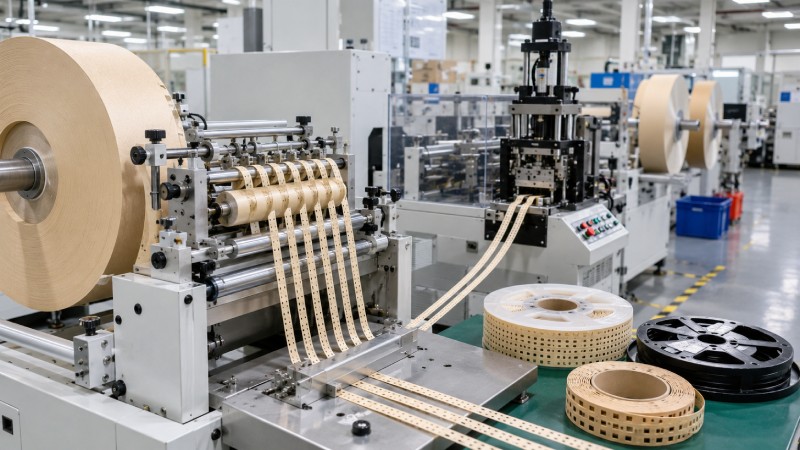
A reliable paper carrier tape is not only defined by the paper itself. It depends on material selection, slitting accuracy, punching precision, dust control, dimensional inspection, and stable winding. For buyers and packaging engineers, understanding how paper carrier tape is manufactured makes it easier to evaluate supplier capability, prevent quality risks, and choose the right packaging solution before mass production.
What Is Paper Carrier Tape?
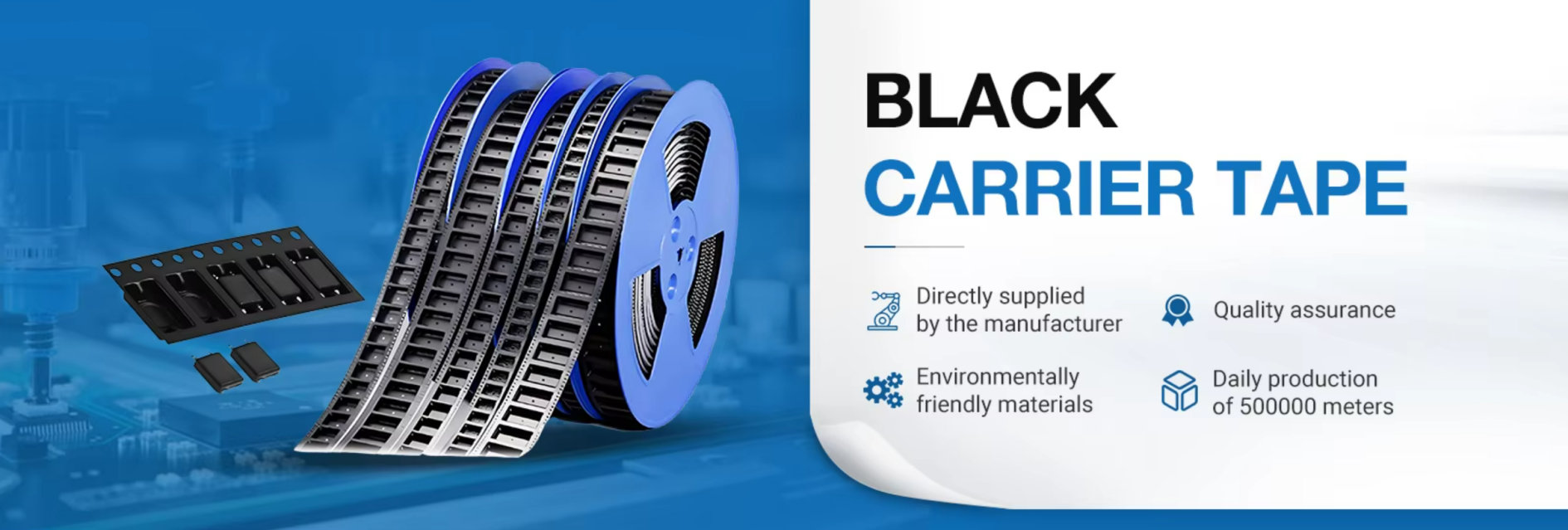
Paper carrier tape is a precision paper-based packaging tape used to hold small electronic components in fixed positions. It is usually designed with punched cavities or openings, sprocket holes, and a consistent tape width so that components can be transported, stored, and fed into automated assembly equipment.
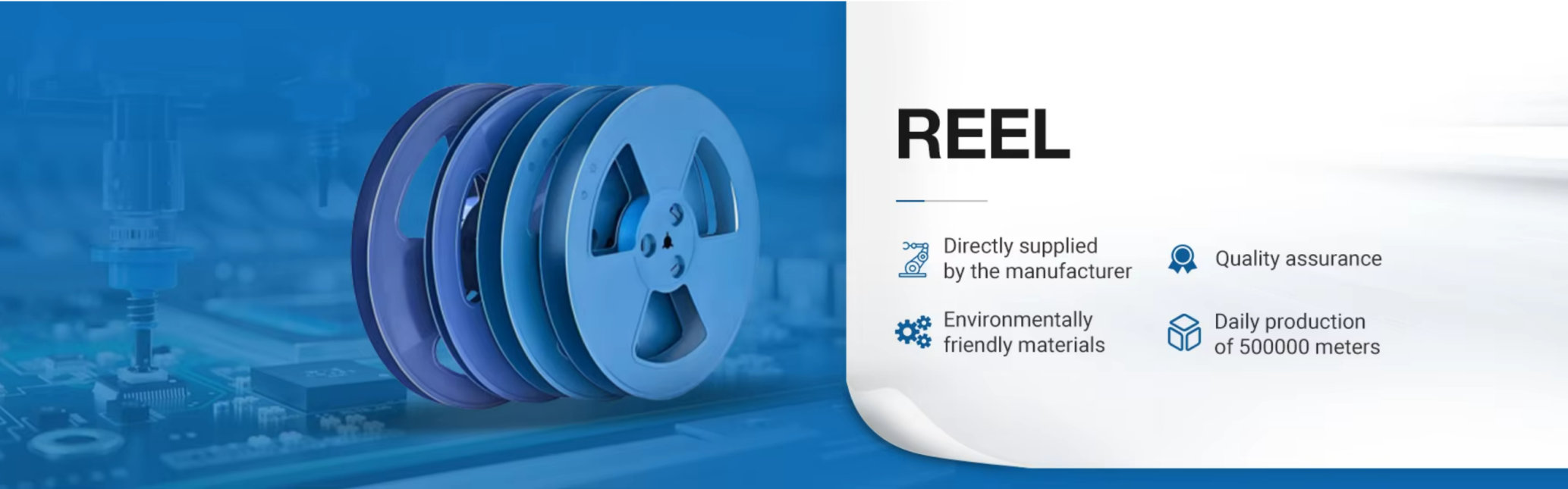
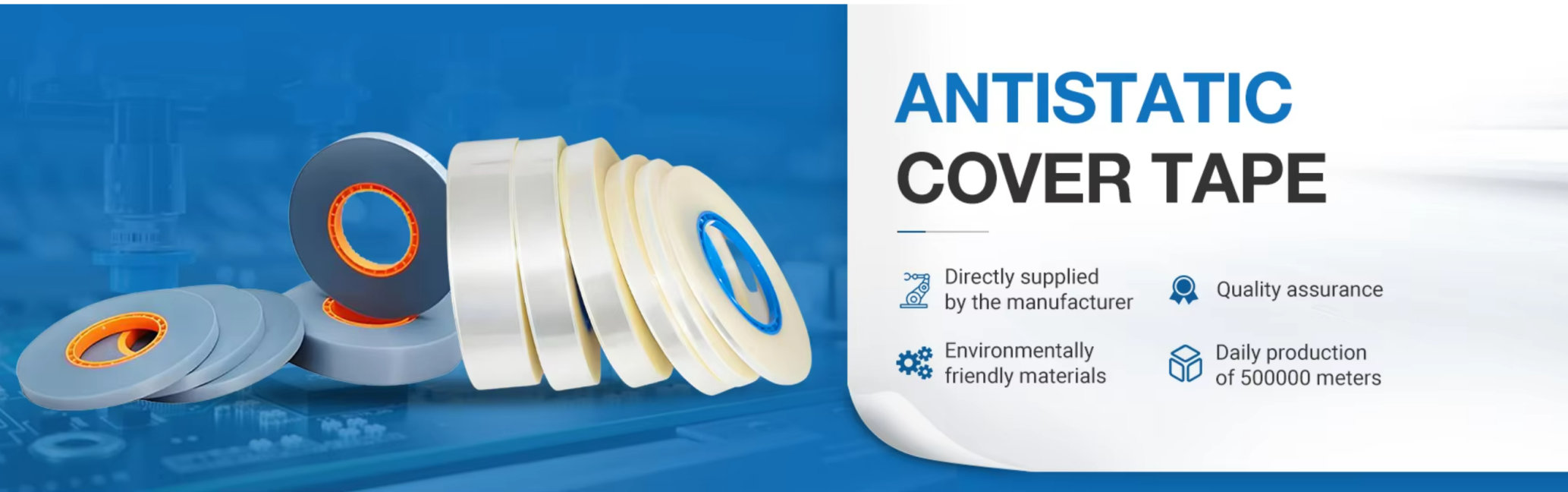
In tape-and-reel packaging, paper carrier tape works together with cover tape and reels. Components are placed into the tape cavities, sealed with cover tape, and wound onto reels for SMT production. Because the components are often very small, the tape must keep them stable without causing shifting, dust contamination, or feeding interruption.
Compared with embossed plastic carrier tape, paper carrier tape is usually flatter and is commonly used for smaller and thinner components. Plastic embossed carrier tape is more suitable for larger or taller parts that require formed pockets with greater depth. Paper carrier tape, however, remains a practical and cost-efficient solution for many high-volume passive component applications.
Why the Manufacturing Process Matters
The quality of paper carrier tape depends heavily on process control. A small issue in the manufacturing stage can become a much bigger problem during component packaging or SMT assembly.
For example, if the sprocket holes are not accurately punched, the tape may not feed smoothly in automated equipment. If the cavities are too large, components may shift inside the tape. If they are too tight or rough, loading may become unstable. Burrs, paper fibers, and dust from poor punching can also affect component cleanliness and downstream handling.
Tape flatness is another important factor. If the paper tape curls, deforms, or has inconsistent thickness, it may create problems during sealing, winding, or machine feeding. That is why buyers should not evaluate paper carrier tape only by price or appearance. A good tape must be manufactured through a controlled and repeatable process.
Step 1: Raw Paper Material Selection
The manufacturing process starts with selecting the right base paper material. This step is important because the paper must be strong enough for punching, stable enough for winding, and clean enough for electronic component packaging.
Key material factors include thickness, density, surface smoothness, tensile strength, moisture stability, and flatness. If the material is too weak, it may tear during slitting or punching. If it is too rough or unstable, it may generate more dust or affect dimensional consistency. If the moisture content is not controlled, the tape may curl or deform during storage and transportation.
For electronic component packaging, consistency is more important than appearance alone. The material should maintain stable thickness and mechanical strength across different production batches. A reliable manufacturer will usually inspect incoming paper material before production and store it properly to reduce moisture-related variation.
For buyers, it is useful to ask whether the supplier controls raw material thickness tolerance, paper surface quality, and storage conditions. These details often reveal whether the supplier is focused on long-term quality or only basic production.
Step 2: Slitting the Paper Roll to Required Tape Width
After the raw paper roll is selected, it is slit into narrower rolls according to the required carrier tape width. The tape width depends on component size, packaging design, and machine feeding requirements.
Slitting may appear simple, but it has a strong influence on the final tape quality. Clean and accurate slitting helps maintain smooth tape edges, stable winding, and reliable feeding. Poor slitting can cause edge fibers, uneven width, or dust, which may affect later punching and packaging.
Tension control is also important during slitting. If the tension is too high, the paper may stretch or deform. If it is too low, the roll may become loose or uneven. A stable slitting process helps create a clean foundation for precision punching.
Step 3: Precision Punching of Cavities and Sprocket Holes
Precision punching is one of the most important steps in the paper carrier tape manufacturing process. During this stage, the manufacturer punches the component cavities, sprocket holes, and other required openings according to the tape design.
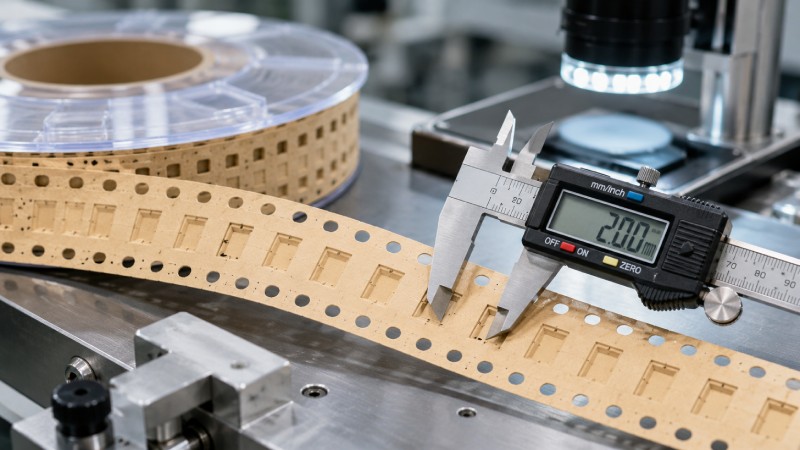
The punching tool must be designed based on the component dimensions, tape width, cavity layout, pitch, and feeding direction. The goal is to create accurate openings that allow components to sit securely while still supporting smooth loading and unloading.
Several factors must be controlled during punching. These include cavity size, cavity spacing, sprocket hole pitch, hole-to-cavity alignment, edge cleanliness, and burr control. If the punching tool is not sharp enough or not properly maintained, the tape may have rough edges, paper fibers, or dimensional drift. Over time, tool wear can also cause the punched holes to become less accurate.
For small electronic components, punching precision is especially important because the component tolerance is often very small. A slight deviation in cavity size or pitch may cause component movement, loading failure, or feeder misalignment.
A strong paper carrier tape supplier should have stable punching equipment, proper tooling maintenance, and in-process inspection. This reduces the risk of defective batches and helps ensure that the tape performs consistently during high-speed packaging and assembly.
Step 4: Cleaning and Debris Control
Because paper is punched mechanically, the process may generate small fibers, particles, or dust. These residues may not always be visible at first glance, but they can affect component cleanliness and downstream packaging performance.
After punching, the tape may go through cleaning or dust-removal steps. Depending on the manufacturer’s process, this may include air cleaning, dust extraction, brushing, or inspection-based cleaning. The purpose is to reduce loose particles before the tape is wound, stored, or used for component loading.
Cleanliness is especially important for small passive components. When the component is very small, even a small amount of debris may interfere with proper placement or visual inspection. Therefore, debris control should be treated as part of process quality, not just final appearance.
Step 5: Dimensional Inspection and Process Verification
Dimensional inspection confirms whether the paper carrier tape meets the required specification before it is shipped or used in packaging. This step helps detect problems early and prevents unstable tape from entering mass production.
Common inspection items include tape width, sprocket hole diameter, sprocket hole pitch, cavity dimensions, cavity position, edge condition, tape flatness, and winding condition. Depending on the product requirement, manufacturers may use optical inspection equipment, measuring tools, gauges, or sampling inspection methods.
Inspection should not happen only at the end of production. A process-controlled manufacturer will usually check key dimensions during production so that adjustments can be made before a large quantity of defective tape is produced.
Batch traceability is also important. If a customer reports a problem, the manufacturer should be able to review production records, material batches, inspection results, and shipment details. For buyers, this is one of the clearest differences between a basic tape supplier and a reliable packaging partner.
Step 6: Winding and Reel Preparation
Once the paper carrier tape has been punched, cleaned, and inspected, it is wound into rolls or reels according to customer requirements. Winding quality affects how the tape performs during transportation, storage, and later production use.
The winding tension must be controlled carefully. If the tape is wound too tightly, it may deform or create pressure marks. If it is too loose, the reel may shift, telescope, or become difficult to handle. Uneven winding can also cause feeding problems when the tape is used in automated equipment.
Reel size, roll length, winding direction, and packaging format should be confirmed before production. Some customers purchase empty paper carrier tape for their own component loading process, while others require complete tape-and-reel packaging. These are related but different services, so buyers should clearly define what they need before placing an order.
Step 7: Final Packaging and Shipment Protection
The final step is packaging the finished paper carrier tape for shipment. Proper packaging protects the tape from dust, moisture, compression, and deformation during storage and transportation.
Finished rolls or reels should be packed securely to prevent edge damage and winding distortion. Labels may include tape width, product specification, batch number, quantity, production date, and customer reference information. Clear labeling helps customers manage inventory and trace production batches.
Good manufacturers understand that quality control does not stop at the production line. If the tape is damaged during shipping, even well-manufactured products may create problems in later use. That is why protective packaging is an important part of the overall manufacturing process.
Key Quality Factors in Paper Carrier Tape Manufacturing
When evaluating paper carrier tape, buyers should focus on the quality factors that affect real production performance.
Material consistency is the first factor. Stable thickness, strength, and flatness help support reliable punching and winding. Punching precision is equally important because it determines the accuracy of cavities and sprocket holes. Clean punched edges reduce paper dust, burrs, and loading problems.
Tape flatness should also be checked. A tape that curls or deforms may not seal or feed properly. Sprocket hole accuracy is critical for machine compatibility because the feeder relies on these holes to move the tape at a consistent pitch. Cleanliness matters because loose fibers and particles may affect small components.
Other important factors include winding stability, moisture control, sample approval, and batch traceability. A professional supplier should be able to explain how these factors are controlled, not just provide a quotation.
Paper Carrier Tape Manufacturing vs Tape-and-Reel Packaging
Paper carrier tape manufacturing and tape-and-reel packaging are closely related, but they are not the same process.
Paper carrier tape manufacturing produces the empty tape structure. This includes selecting the paper material, slitting it to width, punching cavities and sprocket holes, cleaning the tape, inspecting dimensions, and winding it for delivery.
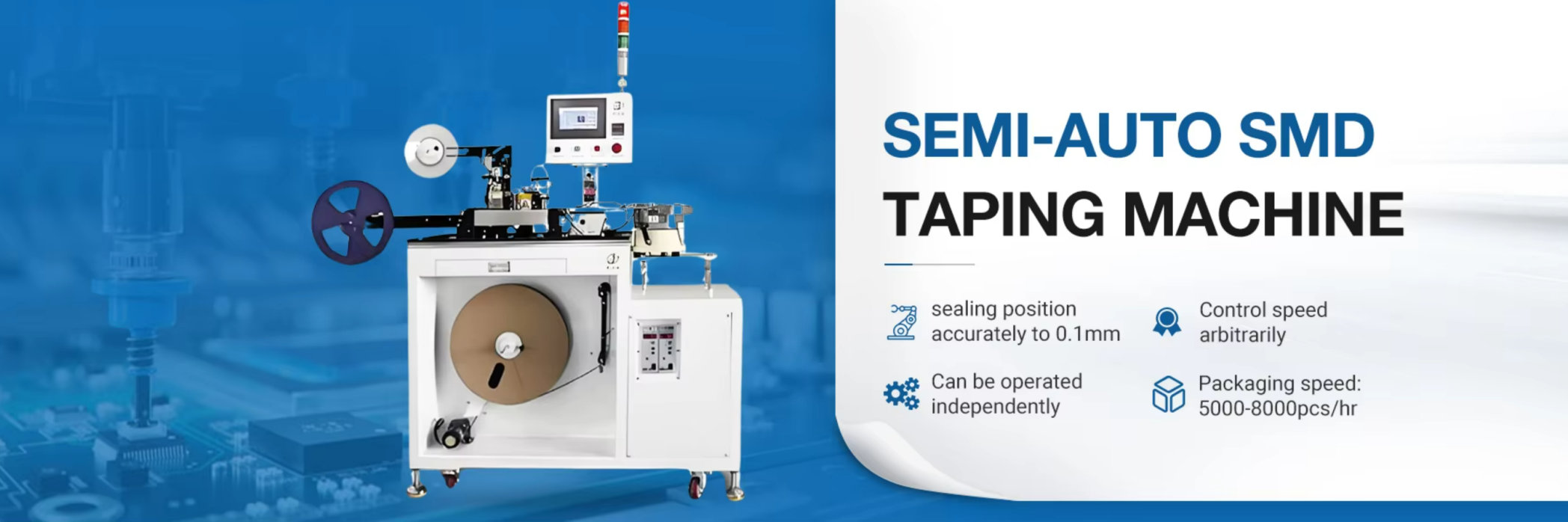
Tape-and-reel packaging is the next stage. It usually includes loading components into the carrier tape, applying cover tape, sealing, inspection, and winding the finished product onto reels for SMT assembly.
Some suppliers only manufacture empty paper carrier tape. Others provide complete packaging support, including component loading and cover tape sealing. Before choosing a supplier, buyers should confirm whether they need custom paper carrier tape only or a full tape-and-reel packaging solution.
How to Choose a Paper Carrier Tape Manufacturer
Choosing the right paper carrier tape manufacturer can reduce packaging risk and improve production stability. Buyers should not look only at unit price. They should also consider process capability, inspection control, customization support, and communication speed.
A reliable manufacturer should be able to produce tape based on component dimensions, drawings, or samples. They should understand tape width, pitch, cavity design, sprocket hole alignment, and downstream packaging requirements. They should also be able to provide samples before bulk production so that the customer can verify fit and performance.
Ask the supplier how they control punching accuracy, burrs, paper dust, tape flatness, and winding tension. Also ask what inspection methods they use and whether batch records are available. These questions help identify whether the supplier has real process control.
For new projects, it is best to share component drawings, tape requirements, expected quantity, and packaging conditions. A good supplier can then recommend a suitable tape design for sampling and mass production.
Common Problems Caused by Poor Manufacturing Control
Poor manufacturing control can lead to many production problems. The most common issues include component misalignment, unstable loading, inconsistent pitch, rough punched edges, excessive paper dust, tape curling, poor sealing stability, and uneven reel winding.
In many cases, these problems are not caused by the paper material alone. They are usually the result of weak control in slitting, punching, cleaning, inspection, or winding. For example, a worn punching tool may create burrs. Poor tension control may cause deformation. Incomplete inspection may allow dimensional errors to pass into production.
These problems can increase rejection rates, slow down packaging speed, and create trouble during SMT feeding. That is why choosing a process-controlled manufacturer is often more cost-effective than choosing the lowest-priced supplier.
Conclusion: A Good Paper Carrier Tape Starts with a Controlled Process
The paper carrier tape manufacturing process includes raw material selection, slitting, precision punching, cleaning, dimensional inspection, winding, and final packaging. Each step affects the final quality of the tape and its performance in component packaging or SMT assembly.
For buyers, the most important point is simple: stable paper carrier tape comes from stable process control. Good material is only the starting point. Accurate punching, clean edges, controlled dust, reliable inspection, and proper winding are what make the tape suitable for real production use.
If you need custom paper carrier tape for small electronic components, prepare your component size, tape width, pitch requirement, drawing, or sample details before contacting a manufacturer. This will help the supplier recommend the right tape structure and support a smoother path from sampling to bulk production.
FAQ
What is paper carrier tape used for?
Paper carrier tape is used to hold small electronic components in fixed positions for packaging, storage, transportation, and automated assembly feeding.
How is paper carrier tape manufactured?
It is generally manufactured through raw paper selection, slitting, precision punching, cleaning, dimensional inspection, winding, and final packaging.
What is the most important step in paper carrier tape production?
Precision punching is one of the most important steps because it affects cavity size, sprocket hole accuracy, feeding stability, and component positioning.
Is paper carrier tape the same as embossed carrier tape?
No. Paper carrier tape is usually a flat paper-based tape with punched cavities, while embossed carrier tape is typically made from plastic material with formed pockets.
Can paper carrier tape be customized?
Yes. Paper carrier tape can be customized based on component dimensions, tape width, pitch, cavity design, and packaging requirements.
What should buyers check before ordering paper carrier tape?
Buyers should check component dimensions, tape width, cavity layout, punching quality, burr control, cleanliness, sample approval, and supplier inspection capability.



 Emial
Emial John Mr