


Paper Carrier Tape for Small Electronic Components: SMT Packaging Guide
Small electronic components may look simple, but packaging them correctly is not always easy. Components such as chip resistors, MLCC capacitors, ferrite beads, small inductors, and miniature diodes are lightweight, compact, and often handled in very large quantities. If the packaging is not accurate, these parts may shift, flip, or feed inconsistently during SMT assembly.
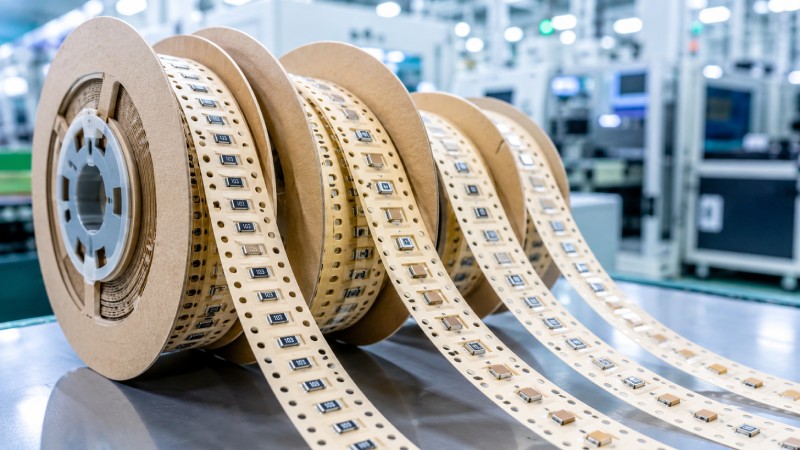
This is why paper carrier tape remains an important packaging solution for many small electronic components. It helps keep components in position, supports automated feeding, and makes tape-and-reel packaging more efficient for high-volume production.
For manufacturers, distributors, and electronics assembly suppliers, choosing the right paper carrier tape is not only about packaging cost. It directly affects feeding stability, production efficiency, component protection, and customer satisfaction. This guide explains when paper carrier tape is suitable, what design factors matter, and how to choose the right supplier for small component packaging.
When Should You Use Paper Carrier Tape?
Paper carrier tape is generally suitable for small, thin, and lightweight electronic components that do not require deep cavities or heavy structural protection. It is commonly used for passive components and other compact SMD parts that need stable orientation in tape-and-reel packaging.
Typical applications include chip resistors, MLCC capacitors, ferrite beads, and some small inductors. These components usually have standardized shapes and dimensions, making them a good fit for paper-based carrier tape structures.
However, paper carrier tape is not the best choice for every small component. If the component is tall, fragile, irregularly shaped, or requires deeper pocket protection, plastic carrier tape may be more suitable.
| Component Type | Suitability for Paper Carrier Tape | Notes |
|---|---|---|
| Chip resistors | High | Small, thin, and commonly packed in paper tape |
| MLCC capacitors | High | Suitable for stable high-volume packaging |
| Ferrite beads | High | Similar format to many passive components |
| Small inductors | Medium to high | Depends on height and shape |
| Small diodes | Case by case | Orientation and shape must be checked |
| Small ICs | Case by case | Often require plastic tape if protection is critical |
If you are unsure whether your component should use paper carrier tape or plastic carrier tape, the best approach is to review the component drawing, dimensions, tolerance, and packaging direction before production.
What Is Paper Carrier Tape?
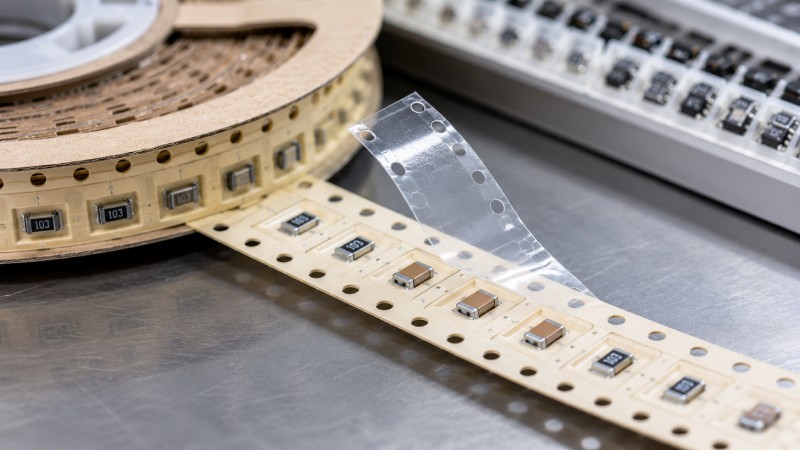
Paper carrier tape is a continuous strip used to hold small electronic components in tape-and-reel packaging. The tape contains a series of cavities or punched pockets where components are placed one by one. After loading, a cover tape is applied on top to keep the components in position. The finished tape is then wound onto reels for storage, transportation, and use in automated SMT feeders.
The main purpose of paper carrier tape is not simply to hold parts. It helps present each component in a consistent position so that pick-and-place equipment can identify, pick, and mount the component efficiently.
Compared with embossed plastic carrier tape, paper carrier tape is usually more suitable for small and thin components. It is widely used where component height is limited and deep pocket structures are not required.
For buyers, the key value of paper carrier tape is consistency. A well-designed tape can reduce movement inside the pocket, support smooth feeding, and make high-volume component handling more predictable.
Why Small Electronic Components Need Reliable Tape Packaging
Small electronic components are easy to underestimate. Because they are tiny and lightweight, even a small packaging error can create problems during assembly.
If the pocket is too large, the component may move, rotate, or flip inside the tape. If the pocket is too tight, the component may not sit properly or may be difficult to release during feeding. If the pitch or sprocket hole accuracy is poor, the tape may not feed smoothly through SMT equipment.
These issues may lead to production interruptions, pick-and-place errors, component loss, or rework. In high-volume electronics manufacturing, even a small feeding problem can create significant waste over time.
Reliable paper carrier tape helps control these risks by keeping each component positioned correctly from packaging to final assembly. For component manufacturers and suppliers, better packaging also means fewer customer complaints and stronger confidence from downstream assembly partners.
This is why paper carrier tape should be selected based on component compatibility, dimensional accuracy, and feeding performance—not price alone.
Common Small Components Packaged in Paper Carrier Tape
Paper carrier tape is widely used for many small electronic components, especially passive components. These parts are often produced and shipped in large volumes, so packaging efficiency is extremely important.
| Component | Packaging Requirement | Why Paper Carrier Tape Is Used |
|---|---|---|
| Chip resistors | Stable orientation and compact reel packaging | Thin, lightweight, and standardized |
| MLCC capacitors | Consistent pocket fit and smooth feeding | Common SMD sizes and high-volume demand |
| Ferrite beads | Reliable positioning in tape-and-reel format | Similar shape to other passive components |
| Small inductors | Controlled cavity fit | Suitable when height is not excessive |
| Small diodes | Orientation control | Depends on polarity and body shape |
| LED-related small parts | Careful handling and surface protection | Suitability depends on shape and sensitivity |
For standard passive components, paper carrier tape is often an efficient and economical choice. But for components with special shapes, sensitive surfaces, or strict anti-static requirements, the tape structure should be carefully evaluated.
A good supplier should not simply recommend paper tape for every small part. They should check the component’s size, height, weight, tolerance, orientation needs, and assembly process before confirming the packaging solution.
Key Advantages of Paper Carrier Tape for Small Components
Cost-Effective for High-Volume Packaging
Small electronic components are often produced in very large quantities. For these applications, packaging cost matters. Paper carrier tape can be a cost-effective choice when the component is suitable for paper-based cavities and does not require the stronger structure of plastic embossed tape.
This makes it especially practical for passive components such as resistors, capacitors, and ferrite beads.
Stable Feeding for Thin Passive Components
When the pocket design, tape pitch, and cover tape performance are properly controlled, paper carrier tape can support smooth feeding in automated SMT assembly. Stable feeding helps reduce interruptions and improves production efficiency.
For small components, even slight movement inside the pocket can affect pick-up accuracy. A suitable paper tape design helps keep the component in the right position.
Efficient Tape-and-Reel Handling
Tape-and-reel packaging is convenient for storage, transportation, inventory control, and automated production. Components packed in paper carrier tape can be counted, loaded, and processed more easily than loose or manually packed parts.
This is especially valuable for manufacturers and buyers handling millions of small components.
Suitable for Standard SMD Sizes
Many small passive components follow common package sizes. Paper carrier tape is well suited for these standardized components because the tape design can be matched to regular dimensions and feeding requirements.
Lower Material Use for Suitable Parts
For components that do not need deep plastic pockets, paper carrier tape may help reduce the use of heavier plastic materials. This can be attractive for buyers looking for practical and efficient packaging options for small SMD components.
Paper Carrier Tape vs Plastic Carrier Tape
Paper carrier tape and plastic carrier tape are both used in tape-and-reel packaging, but they are not interchangeable in every case.
Paper carrier tape is usually preferred for small, thin, and lightweight components. Plastic carrier tape is often used for taller, heavier, fragile, or irregularly shaped components that require deeper pockets or stronger protection.
| Factor | Paper Carrier Tape | Plastic Carrier Tape |
|---|---|---|
| Best for | Small passive components | Taller or more complex components |
| Pocket structure | Paper-based cavity or punched pocket | Embossed plastic cavity |
| Cost efficiency | Often strong for small high-volume parts | Depends on material and tooling |
| Protection level | Suitable for simple small components | Better for complex or fragile parts |
| Common applications | Resistors, capacitors, ferrite beads | ICs, connectors, sensors, special components |
| Customization | Good for standard small parts | Better for deeper or complex shapes |
The right choice depends on the component’s actual requirements. A small component may still need plastic tape if it has a sensitive surface, unusual geometry, or higher protection needs. A reliable supplier should evaluate the part before recommending the final tape type.
Important Design Factors for Paper Carrier Tape
Paper carrier tape performance depends heavily on design accuracy. For small components, very small dimensional differences can affect feeding and placement.
Pocket Dimensions
Pocket size is one of the most important factors. The cavity must be large enough for the component to sit properly, but not so large that the part moves excessively.
Common pocket-related dimensions include:
-
A0: pocket width
-
B0: pocket length
-
K0: pocket depth or height clearance
A proper pocket fit helps control component movement, orientation, and pick-up stability.
Tape Width
Tape width should match the component size and SMT feeder requirements. Small passive components often use narrow tape formats, but the final width depends on the component dimensions, pitch, and packaging standard.
Pitch Accuracy
Pitch refers to the distance between pockets. If pitch accuracy is inconsistent, the tape may not align correctly with automated feeding equipment. This can cause pick-up errors or production stoppages.
Cover Tape Compatibility
The cover tape must hold components securely during transportation while allowing smooth peeling during assembly. If the cover tape is not matched properly, it may create feeding problems, unstable peel force, or component disturbance.
Component Orientation
Some components have polarity, markings, or directional requirements. In these cases, the paper carrier tape must support consistent orientation so the component can be assembled correctly.
Cleanliness and Edge Quality
For small components, dust, burrs, rough pocket edges, or poor punching quality can affect packaging performance. Clean and consistent tape production is especially important for high-volume electronics packaging.
Why EIA-481 Compatibility Matters
In tape-and-reel packaging, dimensional consistency and equipment compatibility are important. EIA-481 is commonly referenced in the electronics industry for carrier tape, cover tape, reel, and packaging requirements.
For buyers, the main point is simple: the tape must work with automated SMT equipment and meet the expected packaging format. If the tape width, pitch, sprocket holes, pocket position, or reel format are not controlled properly, downstream assembly may be affected.
When requesting paper carrier tape, buyers should confirm whether the supplier can manufacture according to relevant tape-and-reel standards or customer-specific requirements. This is especially important when supplying components to large electronics manufacturers or assembly houses with strict packaging specifications.
How to Choose the Right Paper Carrier Tape Supplier
Choosing the right supplier is just as important as choosing the right tape material. A good paper carrier tape supplier should help reduce packaging risk before mass production.
1. Component Evaluation Ability
The supplier should review your component drawing, dimensions, tolerance, weight, and shape before recommending a tape design. This helps avoid choosing a tape that looks suitable but fails during actual feeding.
2. Custom Pocket Design
Even small differences in component size can affect pocket fit. A qualified supplier should be able to adjust pocket dimensions according to your component and application requirements.
3. Stable Manufacturing Tolerance
Paper carrier tape must be produced with consistent tape width, sprocket holes, pitch, pocket shape, and winding quality. Stable tolerance control helps ensure smooth use in automated production.
4. Cover Tape Matching Support
Carrier tape and cover tape should work together. The supplier should help select suitable cover tape and recommend appropriate application conditions based on your packaging needs.
5. Sample Testing Before Mass Production
Sample testing is strongly recommended before bulk orders. It allows buyers to check pocket fit, component movement, cover tape performance, peeling behavior, and reel feeding stability.
6. Quality Inspection Process
Ask how the supplier inspects pocket quality, tape dimensions, cleanliness, reel winding, and finished packaging. A clear inspection process shows that the supplier understands the importance of consistency.
A good supplier does not only sell tape. They help you choose a packaging solution that works reliably in real production.
Information Buyers Should Provide Before Requesting a Quote
To get an accurate recommendation, buyers should prepare key component and packaging details before requesting a quote.
Useful information includes:
-
Component type
-
Component dimensions
-
Component drawing or datasheet
-
Tolerance range
-
Quantity requirement
-
Tape width requirement, if known
-
Pocket direction or orientation requirement
-
Cover tape requirement
-
Reel size
-
Packaging standard or customer requirement
-
Sample testing needs
-
Delivery timeline
Providing this information helps the supplier evaluate the correct paper carrier tape structure faster. It also reduces back-and-forth communication and lowers the risk of incorrect packaging selection.
Common Mistakes When Choosing Paper Carrier Tape
One common mistake is choosing paper carrier tape based only on price. Low-cost tape may seem attractive at first, but poor dimensional control can lead to feeding problems, customer complaints, or production delays.
Another mistake is ignoring component tolerance. Buyers may provide only the nominal component size, but actual components may vary within a tolerance range. The pocket design should consider this range, not only the ideal dimension.
Some buyers also use paper carrier tape for components that are not suitable for it. If the part is too tall, fragile, or irregular, plastic carrier tape may provide better protection.
Skipping sample validation is another risk. A small test before mass production can reveal pocket fit issues, cover tape problems, or feeding instability before they become expensive.
Is Paper Carrier Tape Right for Your Small Components?
Paper carrier tape is a practical and widely used packaging solution for many small electronic components. It is especially suitable for thin, lightweight passive components such as chip resistors, MLCC capacitors, ferrite beads, and some small inductors.
When properly designed, it can support stable component positioning, efficient tape-and-reel packaging, smooth SMT feeding, and cost-effective high-volume production. However, the final choice should always depend on component size, height, shape, tolerance, sensitivity, and assembly requirements.
If you are developing packaging for small electronic components, the best next step is to share your component drawing or sample dimensions with an experienced paper carrier tape supplier. With the right evaluation, you can confirm whether paper carrier tape is suitable and receive a tape structure designed for reliable production.
FAQ
What components are suitable for paper carrier tape?
Paper carrier tape is commonly used for small, thin, and lightweight electronic components such as chip resistors, MLCC capacitors, ferrite beads, and some inductors.
Is paper carrier tape better than plastic carrier tape?
It depends on the component. Paper carrier tape is often better for small passive components, while plastic carrier tape is usually better for taller, heavier, fragile, or irregularly shaped parts.
Can paper carrier tape be customized?
Yes. Pocket dimensions, tape width, pitch, component direction, and cover tape matching can be customized according to the component and packaging requirements.
Why is pocket design important?
Pocket design affects component stability, orientation, and feeding performance. A poor pocket fit may cause shifting, flipping, or pick-and-place problems during SMT assembly.
What should I provide when ordering paper carrier tape?
You should provide the component drawing, dimensions, tolerance, quantity, tape width requirement, cover tape requirement, reel size, and any packaging standard requirements.
Is paper carrier tape suitable for high-volume packaging?
Yes. For suitable small electronic components, paper carrier tape can be an efficient and cost-effective option for high-volume tape-and-reel packaging.



 Emial
Emial John Mr