


Paper Carrier Tape for Passive Components | SMT Packaging Guide
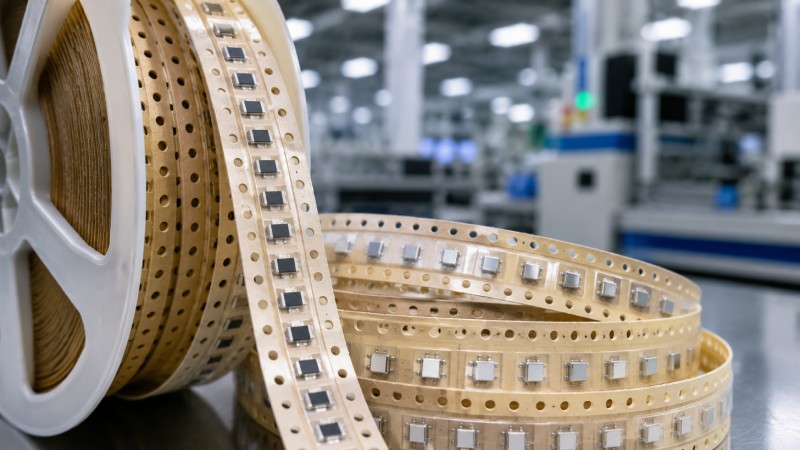
Passive components such as chip resistors, MLCC capacitors, ferrite beads, and small inductors are often supplied in tape-and-reel packaging for automated SMT assembly. For many of these small and lightweight components, paper carrier tape is a practical packaging choice because it supports efficient loading, stable component positioning, and smooth feeding on pick-and-place machines.
However, choosing paper carrier tape is not only about material cost. The real value comes from whether the tape can hold components consistently, protect them during transportation, and feed reliably during high-volume SMT production. A low-cost tape that causes misfeeds, tilted components, poor peeling, or reel rejection can quickly become expensive for both component suppliers and assembly customers.
This guide explains when paper carrier tape is suitable for passive components, what buyers should check before ordering, and how the right supplier can help improve packaging stability.
What Is Paper Carrier Tape for Passive Components?
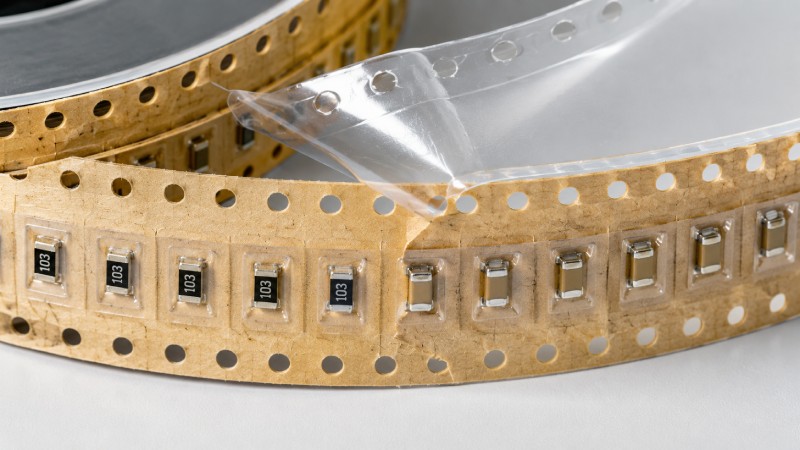
Paper carrier tape is a type of carrier tape commonly used to package small surface-mount components. Instead of using a deep formed plastic pocket, paper carrier tape usually uses punched cavities or formed openings to hold components in a fixed position. After the components are loaded into the pockets, cover tape is applied on top to keep them in place. The finished tape is then wound onto reels for storage, shipment, and automated SMT feeding.
For passive components, the goal is simple: each component should stay in the correct position and orientation until it is picked up by the SMT machine. If the tape pocket is inconsistent, if the component moves during winding, or if the cover tape does not peel smoothly, the pick-and-place process may become unstable.
That is why paper carrier tape should not be treated as ordinary packaging. It is part of the production feeding system. Its quality directly affects component presentation, machine uptime, and assembly efficiency.
Why Passive Components Often Use Paper Carrier Tape
Paper carrier tape is widely used for passive components because many passive parts are small, flat, lightweight, and produced in large volumes. These characteristics make them suitable for punched-pocket packaging.
Chip resistors and MLCC capacitors are good examples. They are usually compact and have a relatively simple shape, so they do not always require deep embossed pockets. When the tape dimensions are controlled properly, paper carrier tape can hold these components securely and present them consistently to SMT feeders.
Another advantage is packaging efficiency. Passive components are often supplied in very large quantities. Buyers care about cost, reel consistency, storage efficiency, and feeding reliability. Paper carrier tape can offer a practical balance between cost and performance for standard passive component packaging.
Paper tape can also work well with standard reels and automated feeding equipment when tape width, pitch, sprocket holes, cover tape, and winding quality are properly controlled. For component suppliers, this helps reduce complaints from downstream SMT customers. For buyers, it supports smoother assembly and fewer interruptions on the production line.
Common Passive Components Packaged in Paper Carrier Tape
Paper carrier tape is commonly used for many standard SMD passive components, including chip resistors, ceramic capacitors, ferrite beads, and some small inductors.
Chip resistors are one of the most typical applications. They are small, lightweight, and usually have a stable rectangular shape, which makes them suitable for paper tape packaging. MLCC capacitors are also frequently packed in paper carrier tape, especially when the component size and height match the pocket structure.
Ferrite beads and small passive filters may also be suitable when their dimensions are stable and their weight is not too high. Some compact inductors can use paper tape as well, but buyers should pay closer attention to height, shape, and movement inside the pocket.
Not every passive component should automatically use paper tape. If a component is taller, heavier, more fragile, or has a shape that may tilt easily, embossed plastic carrier tape may be a better option. The final decision should be based on component size, protection requirements, feeding conditions, and customer packaging standards.
Key Design Factors That Affect SMT Feeding Stability
For passive components, small details in tape design can create big differences in SMT feeding performance. Buyers do not need to understand every technical calculation, but they should know which factors matter most.
Pocket Size Consistency
The component pocket must be consistent from one position to the next. If the pocket is too loose, the component may rotate, tilt, or move during transportation and feeding. This can cause poor pickup accuracy or machine rejection. If the pocket is too tight, the component may not sit properly, or it may become damaged during loading.
A good paper carrier tape design allows the component to sit securely while still being easy for the pick-and-place nozzle to access.
Tape Pitch Accuracy
Tape pitch refers to the distance between component positions. In automated SMT feeding, the machine expects each component to arrive at the pickup point at a precise interval. If pitch accuracy is poor, the component may not align correctly with the nozzle. This can result in mis-picks, feeder alarms, or unstable placement.
For high-volume passive components, consistent pitch is especially important because even a small problem repeated across thousands of parts can affect production efficiency.
Tape Flatness
Paper carrier tape should remain flat and stable during feeding. If the tape curls, warps, or becomes uneven, it may not move smoothly through the feeder. Poor flatness can also affect cover tape peeling and component pickup.
Buyers should pay attention to tape storage, moisture control, winding quality, and supplier process control, because these factors can influence flatness and feeding stability.
Cover Tape Sealing
Cover tape must hold the components securely, but it should also peel smoothly during SMT feeding. If the seal is too weak, components may shift or fall out. If the seal is too strong or uneven, the cover tape may peel inconsistently and cause feeder interruptions.
For passive components, good cover tape compatibility is essential. The carrier tape and cover tape should be selected and tested together, not treated as separate items.
Sprocket Hole and Cutting Quality
Sprocket holes guide the tape through the feeder. If the holes are poorly punched, inconsistent, or damaged, indexing may become unstable. Clean cutting also matters for paper carrier tape because rough edges or dust may affect handling and machine performance.
A reliable supplier should control the punching process carefully to maintain hole accuracy and clean pocket quality.
Paper Carrier Tape vs. Embossed Plastic Carrier Tape
Both paper carrier tape and embossed plastic carrier tape are used in tape-and-reel packaging, but they are suitable for different applications.
Paper carrier tape is often a good choice for small, flat, lightweight passive components. It is practical for high-volume standard parts where deep pockets are not required. It can provide efficient packaging at a competitive cost when the component structure is simple and stable.
Embossed plastic carrier tape is usually better for taller, irregular, fragile, or more sensitive components. Because it uses formed pockets, it can provide more space and better control for components that need extra protection or special orientation. It may also offer more options for anti-static or conductive material requirements.
For example, a standard chip resistor may work well in paper carrier tape. But a taller inductor, fragile sensor-like component, or irregular passive module may require embossed tape to prevent movement, tilting, or damage.
The best choice is not always the cheapest material. It is the packaging solution that supports stable feeding, proper protection, and fewer production issues.
When Paper Carrier Tape May Not Be the Best Choice
Paper carrier tape is effective for many passive components, but it has limitations. Buyers should consider other options when the component is too tall, heavy, fragile, or irregular in shape.
If the component has delicate terminations, a sensitive surface, or a structure that can be damaged by movement, paper tape may not provide enough protection. If the component tends to rotate or tilt inside a shallow pocket, feeding stability may suffer. If the SMT line runs at very high speed, the buyer may need tighter dimensional control or a more protective pocket structure.
ESD requirements should also be reviewed. Some passive components may not need special protection, while others may require anti-static or conductive packaging. In these cases, material selection should be confirmed carefully before mass production.
When there is uncertainty, buyers should provide drawings, samples, dimensions, and feeding requirements to the supplier. A short evaluation before production can prevent costly packaging problems later.
What Buyers Should Confirm Before Ordering Paper Carrier Tape
Before ordering paper carrier tape for passive components, buyers should prepare basic component and packaging information. This helps the supplier recommend the correct tape structure and avoid trial-and-error problems.
Important information includes component length, width, height, and weight. Buyers should also provide the component package size, such as 0201, 0402, 0603, 0805, or other standard or custom sizes. Orientation requirements should be clearly stated, especially if the component must face a specific direction during feeding.
Tape width, pitch, reel size, and quantity per reel should also be confirmed. Cover tape type and peel force requirements are important because sealing performance affects both shipping safety and SMT feeding. If the component has ESD, moisture, or cleanliness requirements, those should be discussed early.
For new projects or custom requirements, a sample reel or trial run is strongly recommended. It allows both the supplier and buyer to check component fit, sealing quality, winding condition, and feeding performance before mass production.
How a Reliable Supplier Improves Passive Component Packaging Quality
A reliable paper carrier tape supplier does more than provide tape material. The supplier should understand how passive components behave during loading, sealing, winding, shipping, and SMT feeding.
Good supplier support includes stable punching quality, accurate tape pitch, clean sprocket holes, controlled tape flatness, and suitable cover tape matching. The supplier should also inspect dimensions, appearance, winding tension, and packaging consistency before shipment.
For passive components, small quality differences can affect large-volume production. A slightly loose pocket may cause repeated component rotation. Uneven sealing may lead to unstable peeling. Poor winding may create reel deformation or feeding resistance. These problems may not seem serious at first, but they can create delays and complaints in downstream assembly.
An experienced supplier can review drawings or samples, recommend suitable tape specifications, and help buyers decide whether paper carrier tape or embossed carrier tape is the better solution.
Best Applications for Paper Carrier Tape
Paper carrier tape is most suitable when the component is small, lightweight, and simple in shape. It is commonly used for chip resistors, MLCC capacitors, ferrite beads, and similar standard SMD passive components.
It is also a good option when the buyer needs high-volume packaging, stable reel delivery, and cost-effective tape-and-reel solutions. When the pocket fit, tape pitch, cover tape sealing, and reel winding are properly controlled, paper carrier tape can support smooth SMT feeding and reliable production flow.
However, buyers should not choose paper tape based only on habit or price. The component structure and assembly process should always be considered. If the component needs deeper protection, stronger ESD performance, or more precise orientation control, another carrier tape option may be more suitable.
Conclusion: Choose Paper Carrier Tape Based on Feeding Stability
Paper carrier tape is a practical and efficient packaging solution for many passive components. For standard chip resistors, capacitors, ferrite beads, and other small SMD parts, it can provide stable component positioning, efficient reel packaging, and reliable SMT feeding when designed and produced correctly.
The most important point is to choose packaging based on real production performance, not material alone. Buyers should evaluate component size, height, shape, weight, cover tape compatibility, ESD requirements, and SMT feeding conditions before confirming the tape type.
For passive component suppliers and packaging buyers, the right paper carrier tape can reduce feeding problems, improve reel consistency, and support smoother automated assembly. Working with an experienced carrier tape supplier helps ensure that every reel is not only packed correctly, but also ready for stable performance on the SMT production line.



 Emial
Emial John Mr