
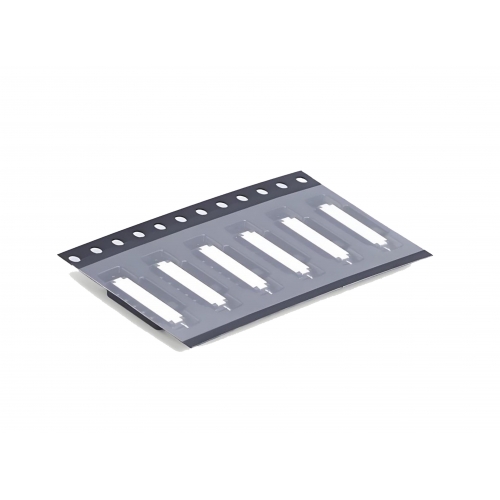


Solution for Adapting Precision Pressed Parts to Carrier Tape
In the production chain of precision electronic components, the carrier tape is a crucial link connecting the workshop and the SMT production line. From the processing of parts such as shielding covers and nickel sheets to the final assembly, every step requires a stable and reliable carrier tape to provide protection. Today, starting from the actual application requirements, we will discuss several commonly used products such as shielding cover carrier tape, shielding frame carrier tape, nickel sheet carrier tape, spring clip carrier tape, and steel sheet carrier tape, analyzing their naming logic, the objects they carry, and the targeted design ideas.
First, let‘s clarify a basic understanding: The naming logic of carrier tapes is very intuitive, following the rule of "carrier element + carrier form", which is practical and easy to understand. It is essentially a strip-shaped packaging material with precise grooves, which are like "independent cabins" tailored for the components. The core requirements for carrier tapes are "good protection" and "easy use" - it needs to avoid component scratches and deformation during transportation and assembly, and precisely adapt to the operational needs of high-speed soldering machines.
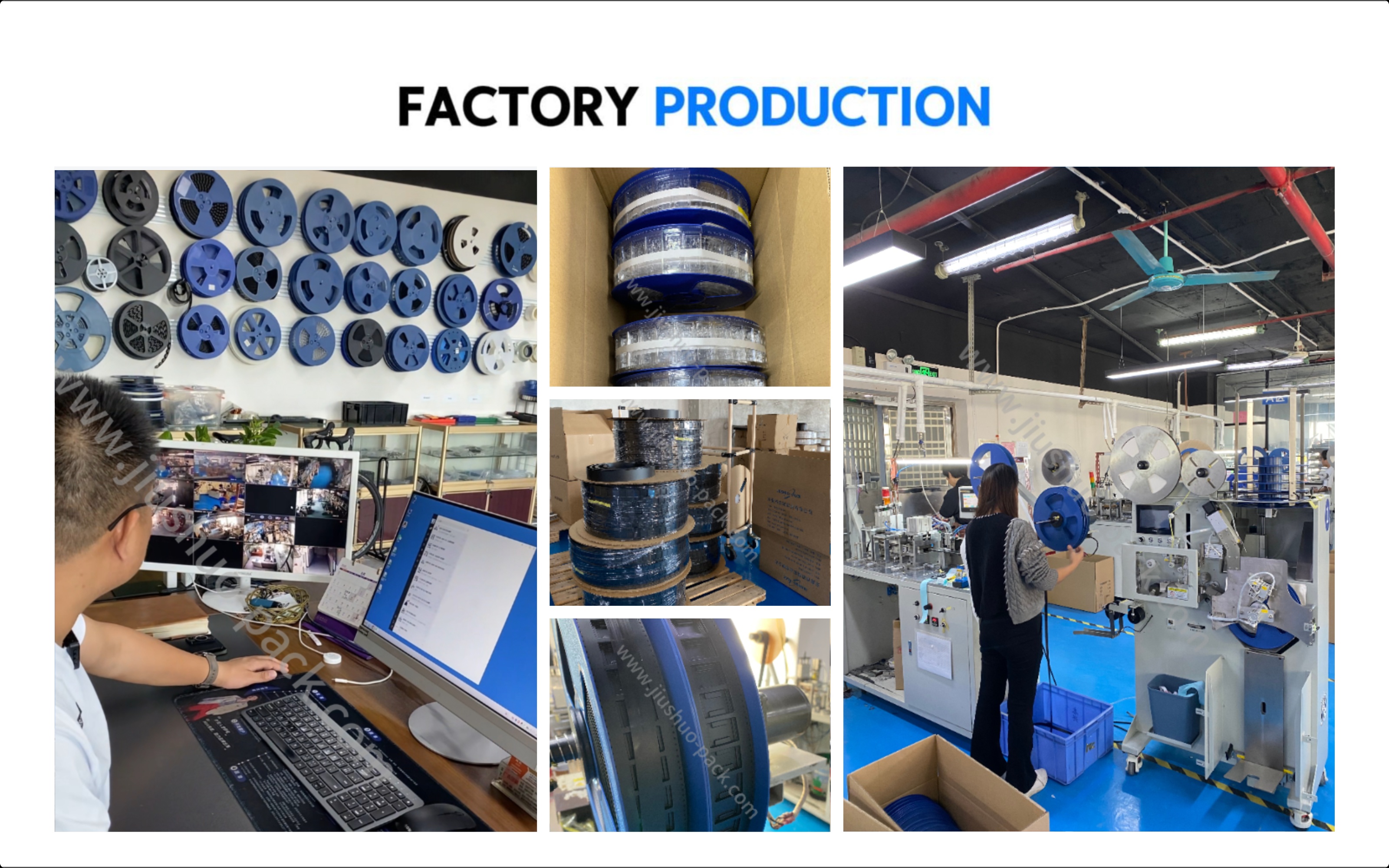
Let‘s start with the "anti-interference duo" of shielding cover carrier tape and shielding frame carrier tape. From their names, it can be seen that they are used to carry shielding covers and shielding frames - the metal protective components commonly found on mobile phone mainboards. Their core function is to isolate electromagnetic interference and reduce call noise and chip mis-triggering issues. The design core of these carrier tapes is "precise fitting": the cavity length and width are reserved with a reasonable gap of 0.05-0.1mm for the components, and an additional 0.1-0.2mm of tape space is reserved for depth to ensure that the components are easy to place without shaking. For parts with folded edges, the industry usually uses imported precision engraving equipment to process conformal grooves, and even the sharp edges are specially protected; the base material is selected as anti-static PET material to avoid damage to the component‘s shielding layer, and in the automotive electronics field, a traceability label can be added to fully comply with industry quality inspection standards.
Nickel sheet carrier tape, as the name suggests, is used to carry the "electrical conductive little helper" - nickel sheets. These
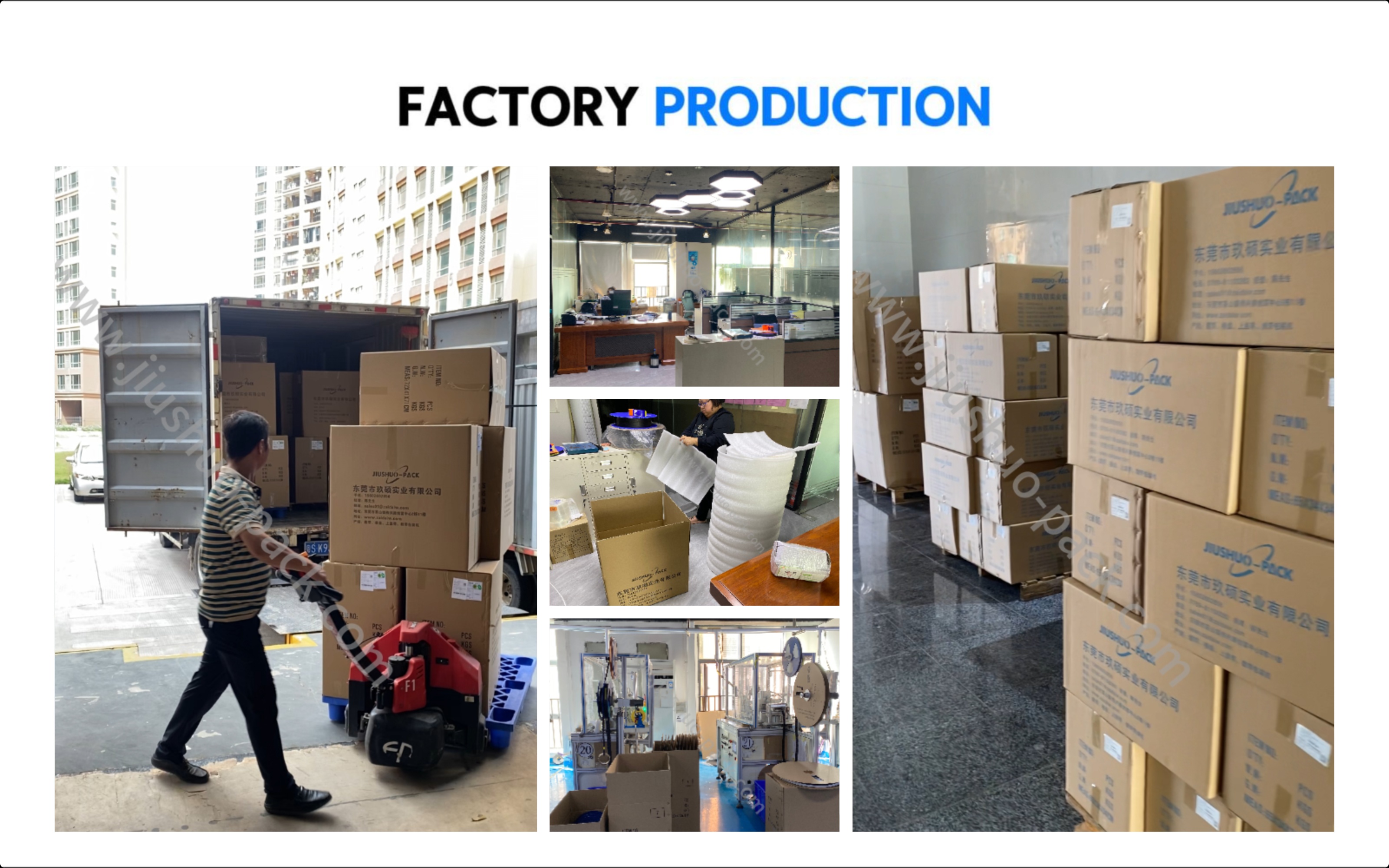 components are widely used in connection strips of new energy battery groups, circuit board contacts, etc., and their core performance indicators are conductivity and corrosion resistance. Due to the thickness of commonly used nickel sheets being only 0.1mm, they are prone to creasing and scratches. Therefore, the industry has designed a "extremely smooth + stable positioning" solution: the inner wall of the groove is polished to a Ra ≤ 0.8 μm accuracy, and the surface is smooth like a mirror; additional micro-convex positioning points are added at the bottom to firmly fix the nickel sheet and prevent displacement, while also leaving a vacuum suction nozzle operation space to ensure smooth material extraction by the soldering machine without any jamming. After a customer in Dongguan used this type of carrier tape, the nickel sheet defect rate significantly decreased from the previous high level, and the detail design‘s contribution to production can be seen from this.
Spring clip carrier tape carries the core component of the button feedback - the metal spring clip. The clear operation feel of remote controls and keyboards relies on the stable elasticity of the spring clip. Once the spring clip deforms, it will be directly scrapped. Therefore, "preserving elasticity" becomes the design focus of this type of carrier tape. When designing, the groove tightness is customized according to the elasticity coefficient of the spring clip, and a modified polyethylene is used to create an elastic snap-fit structure, which can easily fix the spring clip and automatically pop open during material extraction without damaging the component; at the same time, a transparent PC base material with a light transmittance of ≥ 90% is selected, combined with the visual inspection system of the production line, to quickly identify the positive and negative sides and surface defects of the spring clip. A customer in the game controller production field reported that after replacing with the compatible carrier tape, the deformation rate of the spring clip was significantly reduced, and the production efficiency of the line was also significantly improved.
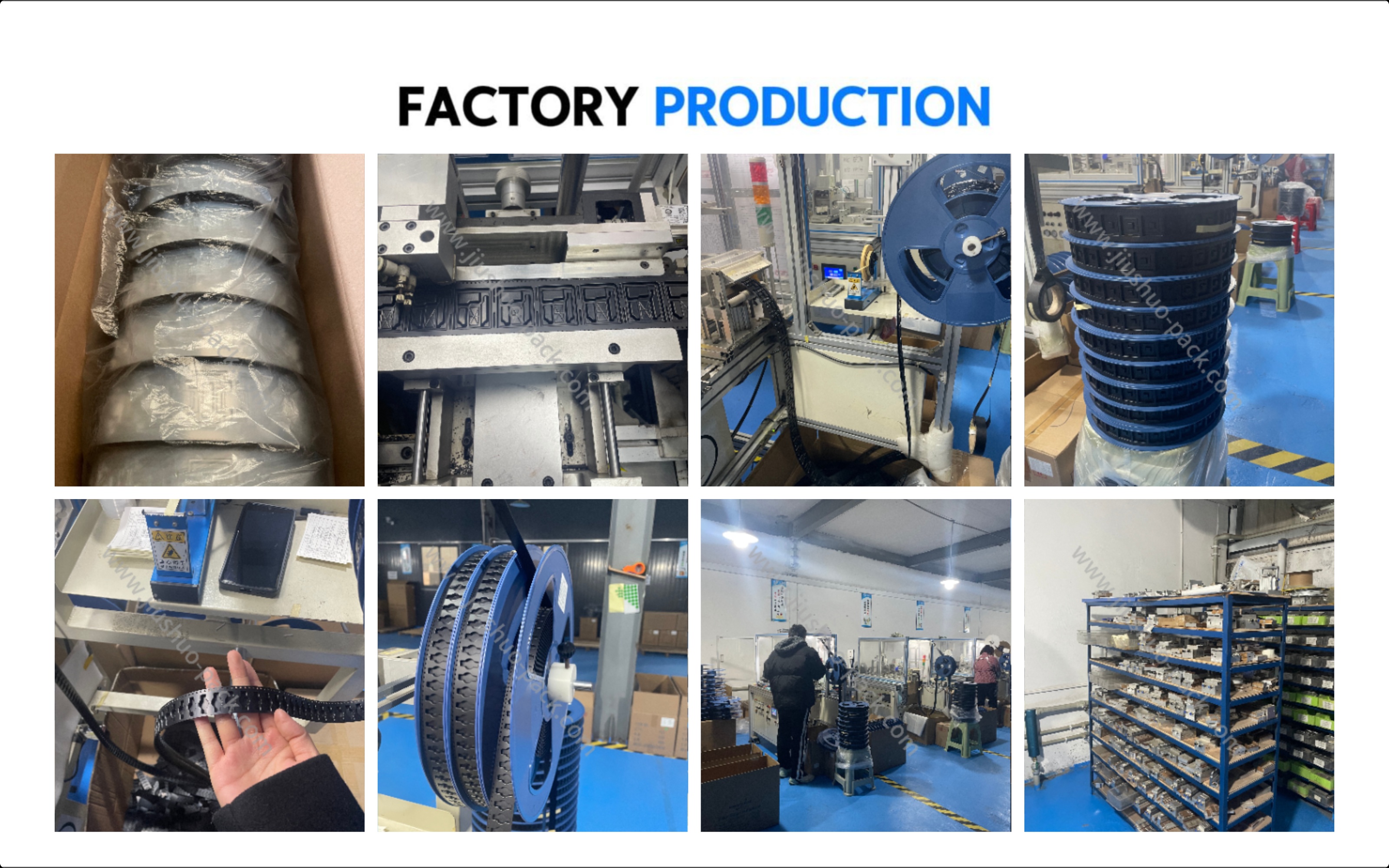
Finally, let‘s talk about steel sheet carrier tape, which carries the so-called "equipment skeleton" - high-strength steel sheets. Mobile phone camera brackets, notebook computer bezels, and other structural components rely on steel sheets for support and reinforcement. Due to the high hardness and sharp edges of steel sheets, ordinary carrier tapes are easily worn, so this type of carrier tape is mostly made of thickened ABS base material and sprayed with a wear-resistant coating; The edges of the grooves are rounded, effectively preventing the steel sheet from scratching the carrier tape or causing edge curling problems on its own. For large-sized steel sheets, positioning holes will be encrypted, and the laser drilling technology will be used to achieve an accuracy control of ±0.01mm, ensuring that the components do not shift during high-speed feeding. This is also an important reason why it can serve multiple electronic equipment manufacturing factories.
The adaptation of the carrier tape has never had a "one-size-fits-all" model. For any type of carrier tape, at the beginning of the design, it is necessary to comprehensively consider the size accuracy requirements of the components, the model of the production line‘s soldering machine, and the characteristics of the actual usage scenarios. From the special material upgrade of nickel sheet carrier tapes for medical equipment to the strengthening of the high-temperature resistance performance of carrier tapes for 5G base station components, every adjustment is centered around actual needs.
Jiushuo Factory has achieved a 4-hour rapid mold opening and a daily production capacity of 300,000 meters. If there are specific requirements such as component sizes, production capacity planning, etc., choosing a professional carrier tape solution, whether it is a regular model or an irregularly customized one, can obtain an adapted and reliable product support.




 Emial
Emial John Mr